What This Story Is About
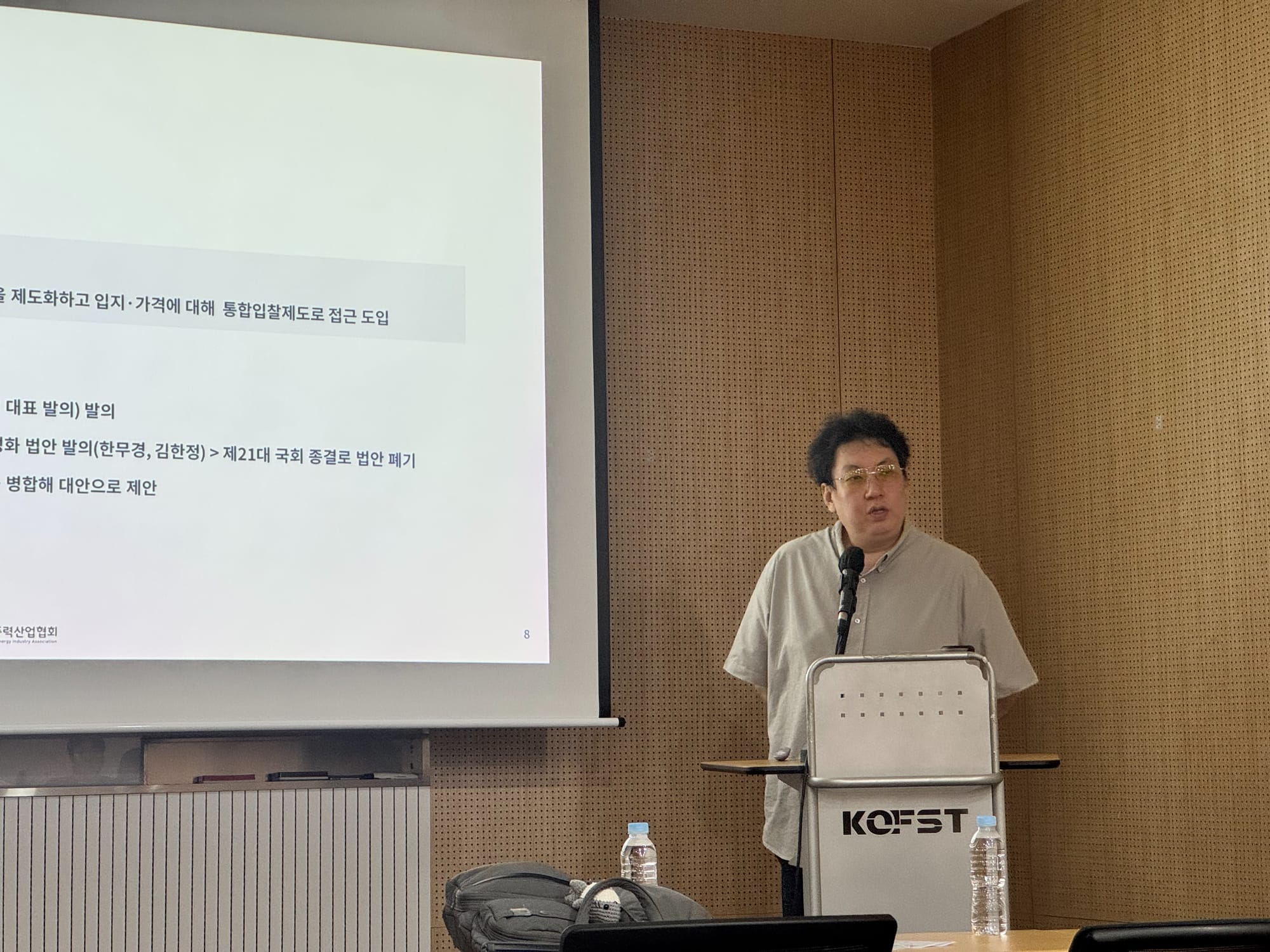
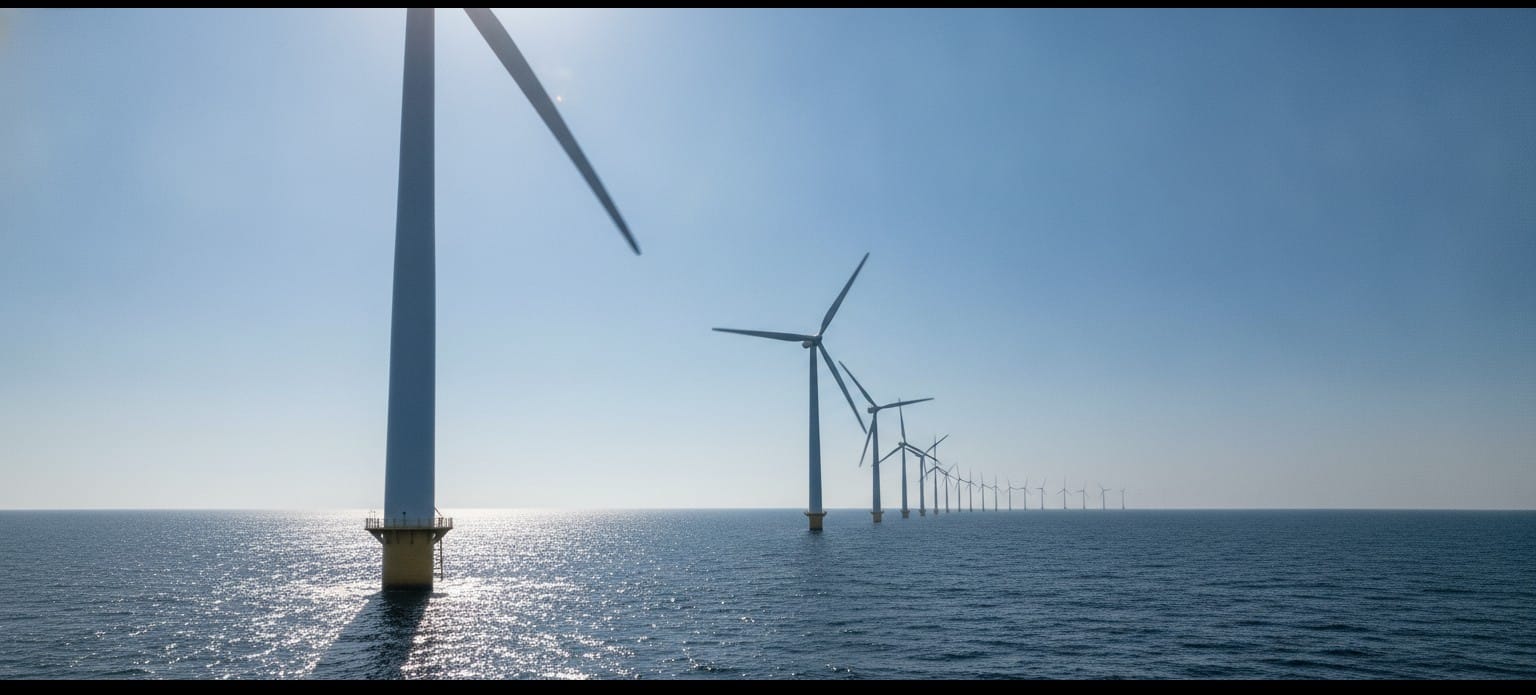
The South Korean government is initiating a significant overhaul of its offshore wind development strategy, moving towards a nationally led "planned sites" system. This policy shift aims to streamline project deployment, ensure more efficient resource allocation, and address current challenges in the permitting and grid connection processes. This move signals a more proactive government role in guiding the sector's growth and achieving its renewable energy ambitions.
Read original article from: energy-news.co.kr
Background and Context
Historically, South Korea's offshore wind development has largely followed a "first-come, first-served" approach, where developers independently identified sites and then sought permits. This bottom-up model, while fostering initial interest, led to fragmented project development, numerous permit applications, and frequent conflicts with existing maritime users, particularly the fishing industry. The Ministry of Trade, Industry and Energy (MOTIE) has been under pressure to improve the project development pipeline, which has seen significant delays, with only a fraction of proposed capacity reaching financial close.
The concept of "planned sites" has been discussed for several years as a potential solution. This approach, similar to models in European countries like the UK and Germany, involves the government proactively identifying suitable areas for offshore wind development through comprehensive environmental assessments, grid availability studies, and stakeholder consultations before developers bid for specific leases. This shift is intended to reduce development risks, accelerate project timelines, and ensure a more harmonized deployment of offshore wind capacity, addressing concerns from both environmental groups and local communities about uncoordinated development. This move is a direct response to the slow progress and high attrition rate of projects under the previous framework.
Insight and Outlook
This transition to a nationally led "planned sites" system has significant implications for international developers, investors, and suppliers. While potentially introducing a more structured and predictable development environment, it also means a shift in market entry strategies. Developers will likely need to align more closely with government-defined zones and participate in competitive tenders for pre-vetted sites, rather than pursuing independent site prospecting.
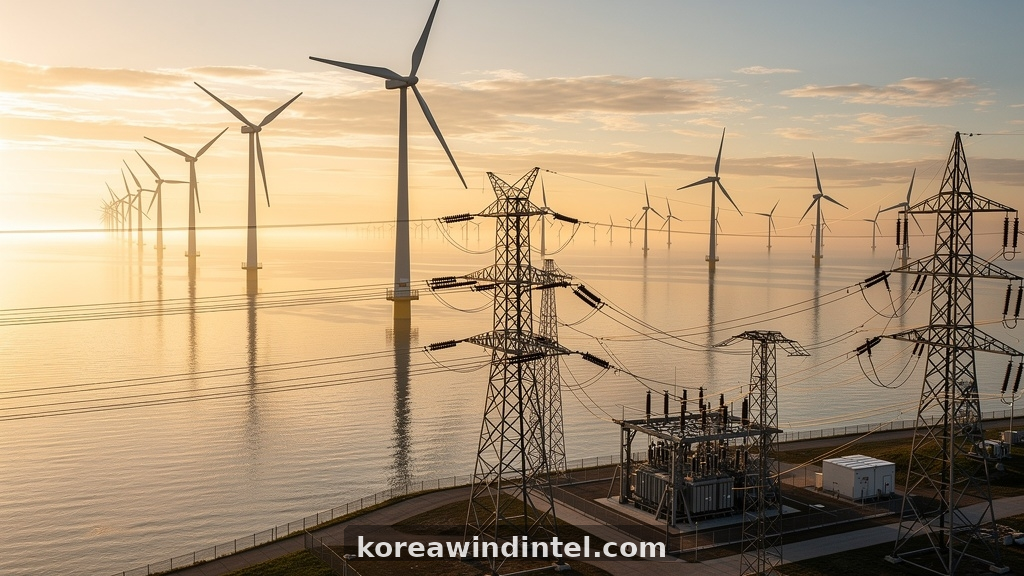
Key risks remain, particularly regarding the speed and transparency of the new site selection process and the continued challenge of grid connection availability. Investors should watch for the detailed implementation guidelines from MOTIE, including timelines for initial site announcements, consultation processes, and bidding frameworks. The success of this overhaul hinges on the government's ability to effectively manage stakeholder engagement, particularly with fisheries, and to ensure robust grid infrastructure planning. This policy reveals a systemic effort to de-risk the Korean offshore wind market by centralizing planning, but its effectiveness will depend on consistent execution and clear regulatory signals.
This brief is prepared for informational purposes only. It is based on publicly available sources and AI-assisted analysis. It does not constitute investment advice. Readers should conduct their own due diligence before making any decisions.