What This Story Is About
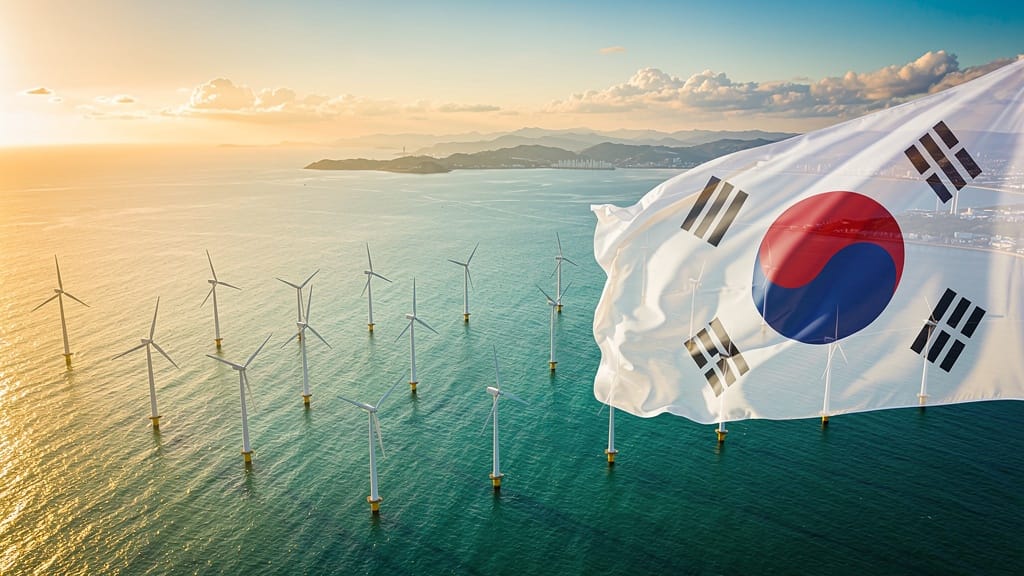
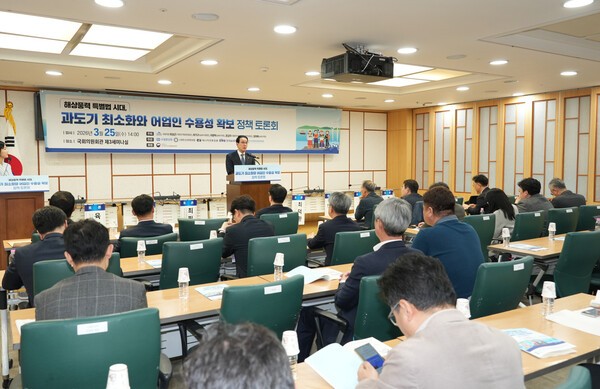
The National Federation of Fisheries (SuHyup) recently reiterated its stance that all offshore wind projects in South Korea must secure the explicit acceptance of local fishing communities. This demand highlights the ongoing tension between renewable energy development and traditional livelihoods, underscoring that developers need to actively gather and address fishermen's opinions to explore effective coexistence measures. This represents a significant social license hurdle for ongoing projects.
Read original article from: Industry News
Background and Context
The conflict between offshore wind development and the fishing industry in South Korea has been a persistent challenge, often leading to project delays and cancellations. The National Federation of Fisheries (SuHyup), representing the interests of Korean fishermen, has historically been a vocal opponent of projects perceived to threaten fishing grounds or livelihoods. The origin of this tension stems from profound concerns over the loss of traditional fishing areas, potential impacts on marine ecosystems from construction and operation, and navigational safety around vast wind farm installations.
While current regulations mandate environmental impact assessments and community consultations, these have frequently been criticized by fishing communities as insufficient or merely procedural, failing to secure genuine consent. For instance, the "Fisheries Compensation Act" (어업피해조사 및 피해보상에 관한 규칙) outlines financial compensation procedures, but securing actual "acceptance" goes far beyond monetary settlements, often demanding active participation in project planning, robust benefit-sharing mechanisms, and assurances for sustainable fishing practices. The Ministry of Trade, Industry and Energy (MOTIE), responsible for energy policy, and the Ministry of Oceans and Fisheries (MOF), overseeing fisheries, have been working to bridge this critical gap, but a definitive, widely accepted framework for achieving social license remains elusive. This situation contrasts sharply with some European countries where comprehensive marine spatial planning and co-use agreements are more commonly integrated into project development from the outset, allowing for clearer pathways to coexistence and reducing stakeholder conflict.
Insight and Outlook
This renewed emphasis from SuHyup signals increased social risk for international developers and investors eyeing the South Korean offshore wind market. Without genuine community buy-in, projects face significant permitting delays and potential legal challenges, driving up development costs and timeline uncertainty. A key risk is the potential for local opposition to derail projects even after substantial investment in initial studies and environmental permitting, leading to stranded assets. Investors should closely watch for concrete policy developments from MOTIE and MOF that provide clearer, more prescriptive guidelines for stakeholder engagement and benefit-sharing, moving beyond mere consultation to actual co-creation and acceptance.
The successful implementation of pilot projects that demonstrate effective coexistence models, such as shared-use zones or integrated fisheries management, could serve as crucial milestones. Furthermore, the establishment of transparent, independent dispute resolution mechanisms will be vital. Ultimately, for the South Korean offshore wind sector to scale and meet its ambitious targets, a systemic shift towards proactive, transparent, and equitable engagement with fishing communities is paramount, ensuring that economic benefits are broadly shared and traditional livelihoods are protected or enhanced, rather than simply compensated for loss.
This brief is prepared for informational purposes only. It is based on publicly available sources and AI-assisted analysis. It does not constitute investment advice. Readers should conduct their own due diligence before making any decisions.