What This Story Is About
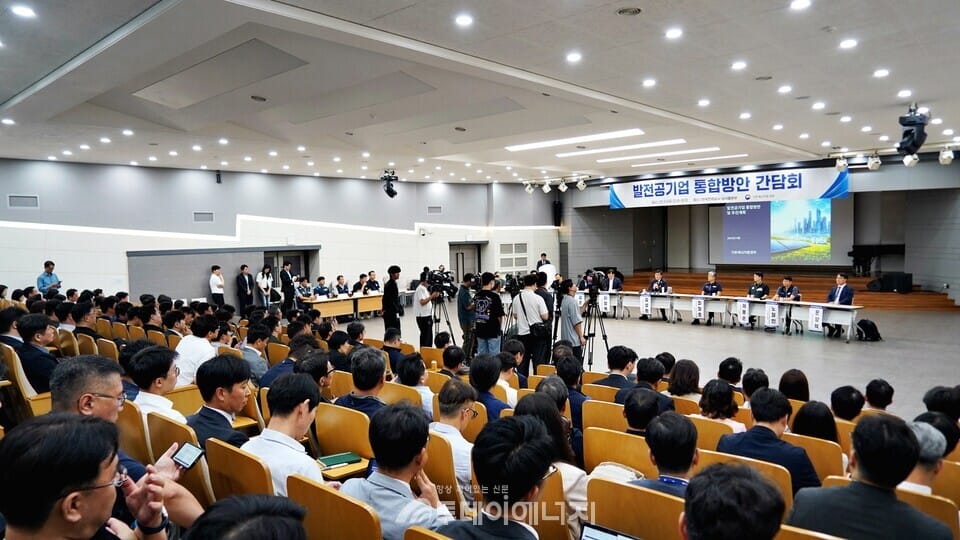
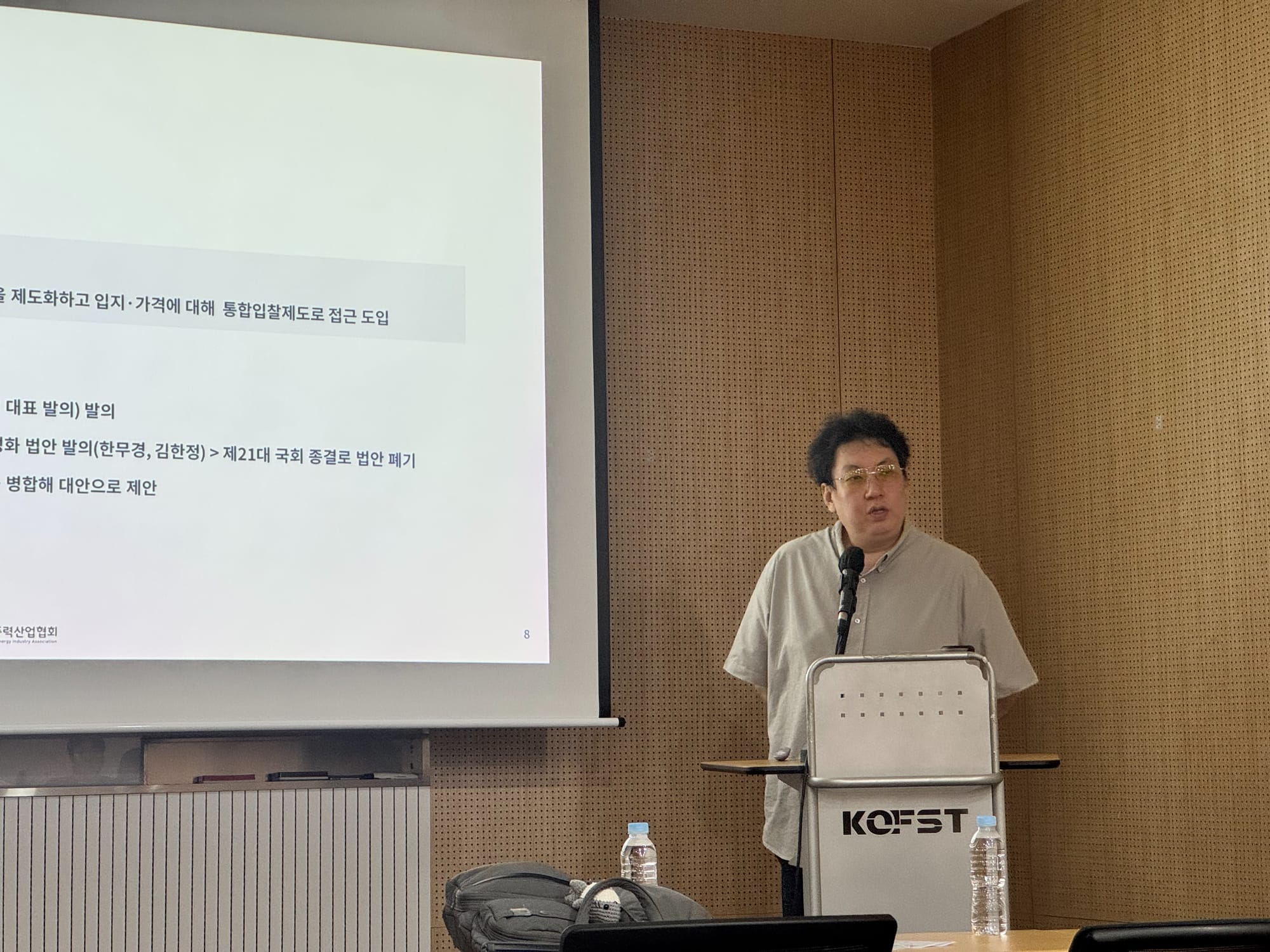
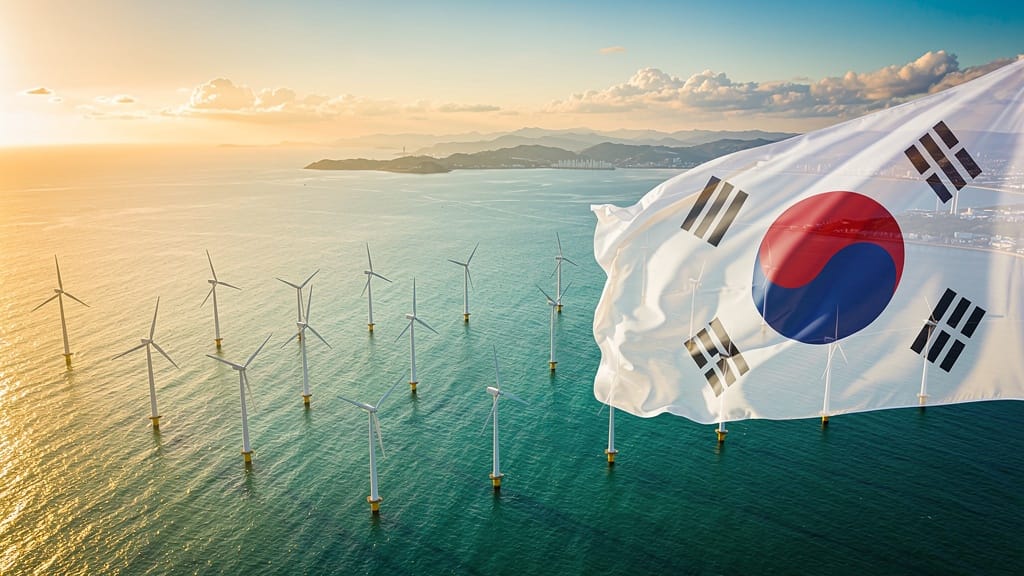
South Korean energy sector experts and policymakers are currently engaged in discussions emphasizing the critical need for a comprehensive offshore wind site planning system. This initiative aims to streamline the development process, fostering the expansion of offshore wind capacity across the nation. The ongoing dialogue highlights the imperative to balance industrial growth with robust environmental protection, addressing a key challenge in accelerating Korea's renewable energy transition.
Read original article from: Electimes
Background and Context
South Korea's current 'bottom-up' approach to offshore wind development, where individual developers secure permits for specific sites, has faced significant challenges, leading to project delays and stakeholder conflicts. This fragmented system often results in developers navigating complex permitting processes involving multiple ministries, including the Ministry of Oceans and Fisheries (MOF) and the Ministry of Trade, Industry and Energy (MOTIE), often without pre-designated zones. The proposal for a strategic offshore wind site planning system, often referred to as a 'top-down' approach, seeks to overcome these hurdles. This model, similar to those successfully implemented in European markets like the UK and Denmark, involves the government proactively designating suitable areas for development, conducting preliminary environmental impact assessments, and coordinating with local fishing communities. The Ministry of Trade, Industry and Energy (MOTIE) has previously attempted to introduce legislation, such as the Offshore Wind Power Special Act, to establish such a framework, but these efforts have stalled due to disagreements among ministries and a lack of consensus on the scope of government intervention. The renewed emphasis on site planning reflects a growing recognition that a more coordinated, long-term spatial planning strategy is essential to unlock Korea's considerable offshore wind potential and meet its ambitious renewable energy targets without exacerbating existing tensions with coastal communities and the fishing industry.
Insight and Outlook
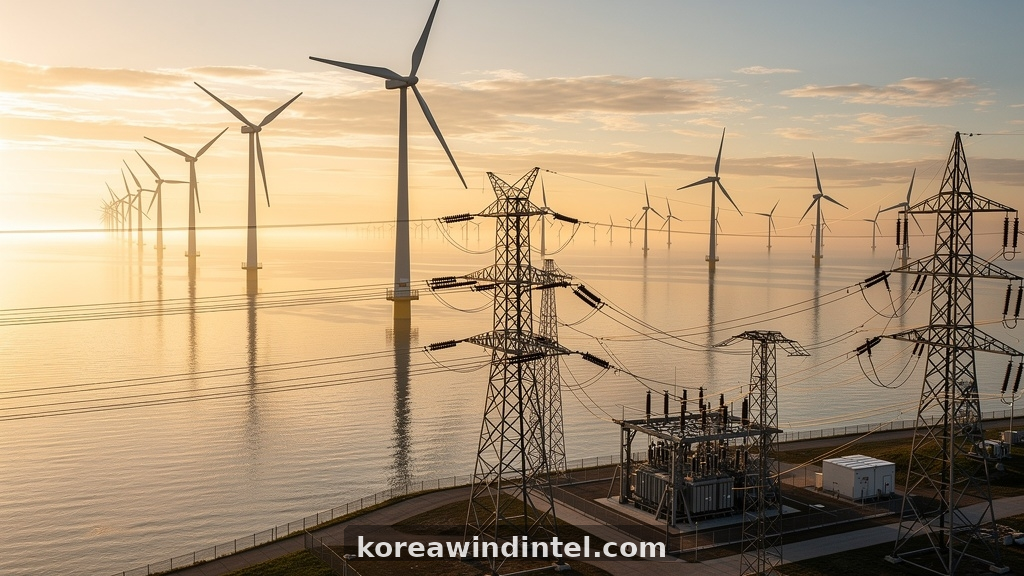
The successful implementation of a strategic offshore wind site planning system in South Korea would significantly de-risk project development for international investors and developers. By pre-designating suitable zones and potentially front-loading environmental assessments, it could reduce the lengthy and uncertain permitting timelines that currently deter foreign capital. However, several critical risks persist. The primary challenge lies in achieving political consensus and enacting comprehensive legislation, such as the long-stalled Offshore Wind Special Act, which is essential to establish the legal basis for a top-down approach. Without strong political will and inter-ministerial coordination, the discussion risks remaining theoretical. Furthermore, effective engagement and compensation mechanisms for local fishing communities are paramount; previous projects have faced severe delays due to unresolved conflicts. Investors should closely monitor legislative progress in the National Assembly and any pilot initiatives by MOTIE or MOF to designate and develop specific zones. The systemic challenge here is transitioning from a fragmented, developer-led approach to a coordinated, government-guided strategy. For this transition to deliver results, it requires not only legislative backing but also robust mechanisms for public participation, transparent decision-making, and a clear, long-term grid expansion plan that can absorb the planned offshore wind capacity.
This brief is prepared for informational purposes only. It is based on publicly available sources and AI-assisted analysis. It does not constitute investment advice. Readers should conduct their own due diligence before making any decisions.