What This Story Is About
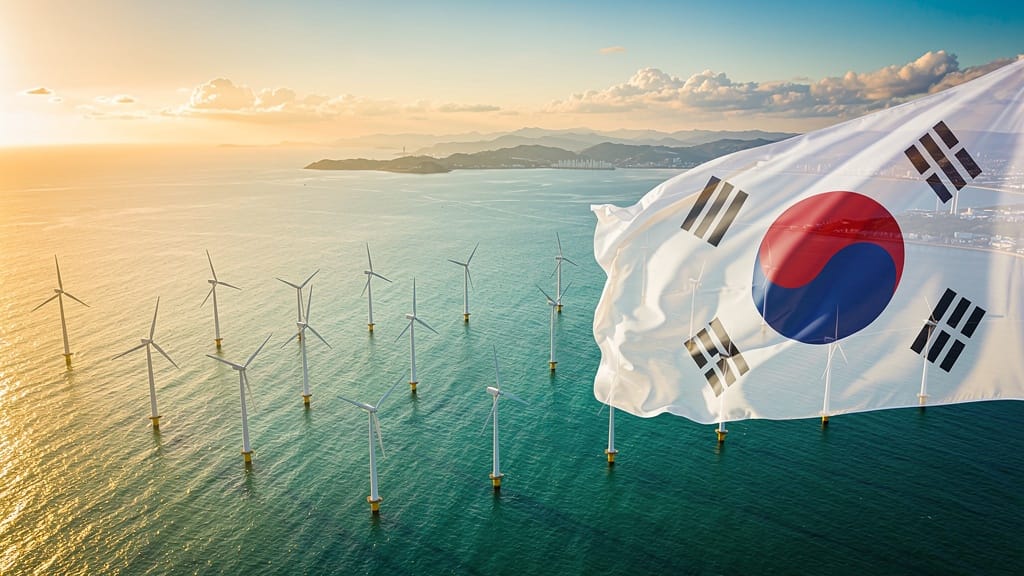
South Korea has taken a significant step in its offshore wind development by conditionally designating an 11GW offshore wind cluster. This strategic decision, a pivotal move by the government, aims to enhance planning clarity and boost investor confidence by clearly defining future development zones for large-scale projects. The initiative is expected to streamline the project pipeline, accelerate critical processes like permitting, and improve grid coordination as the specific conditions for the cluster are finalized, paving the way for faster project realization and increased renewable energy capacity.
Read original article from: Korea Wind Intel
Background and Context
The conditional designation of an 11GW offshore wind cluster addresses long-standing challenges in South Korea's offshore wind sector, primarily the lack of coordinated spatial planning and transparent site allocation. Historically, developers faced significant hurdles in securing permits due to conflicts with existing fishing grounds, military zones, and navigation routes, leading to lengthy delays and increased project costs. This new policy framework, likely spearheaded by the Ministry of Trade, Industry and Energy (MOTIE) in coordination with other relevant ministries like the Ministry of Oceans and Fisheries (MOF), aims to provide a more predictable development environment.
Previous approaches relied on a project-by-project permitting system, which often resulted in a fragmented pipeline and uncertainty for investors. This cluster approach mirrors best practices seen in mature offshore wind markets, such as those in Europe, where designated zones provide a clearer pathway for development. The policy is a direct response to calls from both domestic and international developers for greater certainty, crucial for attracting the significant capital required for large-scale offshore wind projects, by pre-emptively identifying suitable areas to accelerate environmental impact assessment and grid connection processes.
Insight and Outlook
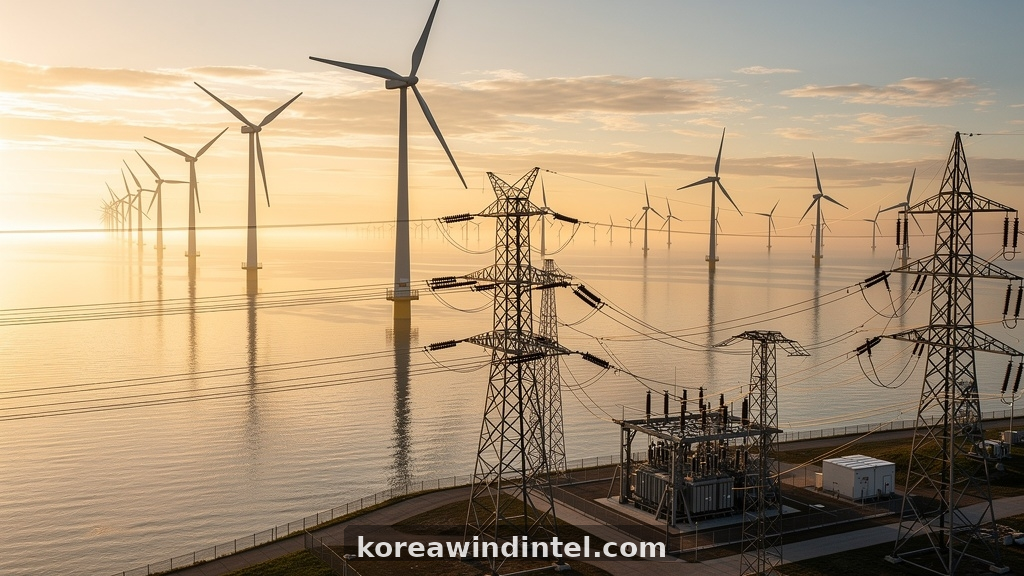
This designation offers concrete implications for international developers, investors, and suppliers by significantly de-risking early-stage project development in South Korea. The improved clarity on development zones is expected to reduce permitting uncertainties, a major bottleneck that has plagued previous projects. However, challenges remain; while the cluster designation provides certainty on where to build, the specifics of grid connection allocation and the finalization of power purchase agreement (PPA) structures still need robust frameworks.
Investors should closely watch for details on how these 11GW will be allocated among developers, the timelines for subsequent bidding rounds, and the evolution of grid infrastructure planning to support this large capacity. The policy reveals a structural opportunity for specialized suppliers in survey, design, and early-stage development services, as the pipeline visibility improves. For the policy to deliver results, transparent and efficient mechanisms for competitive bidding within these clusters, coupled with a streamlined grid connection process and stable PPA terms, will be essential to translate conditional designations into operational wind farms.
This brief is prepared for informational purposes only. It is based on publicly available sources and AI-assisted analysis. It does not constitute investment advice. Readers should conduct their own due diligence before making any decisions.