What This Story Is About
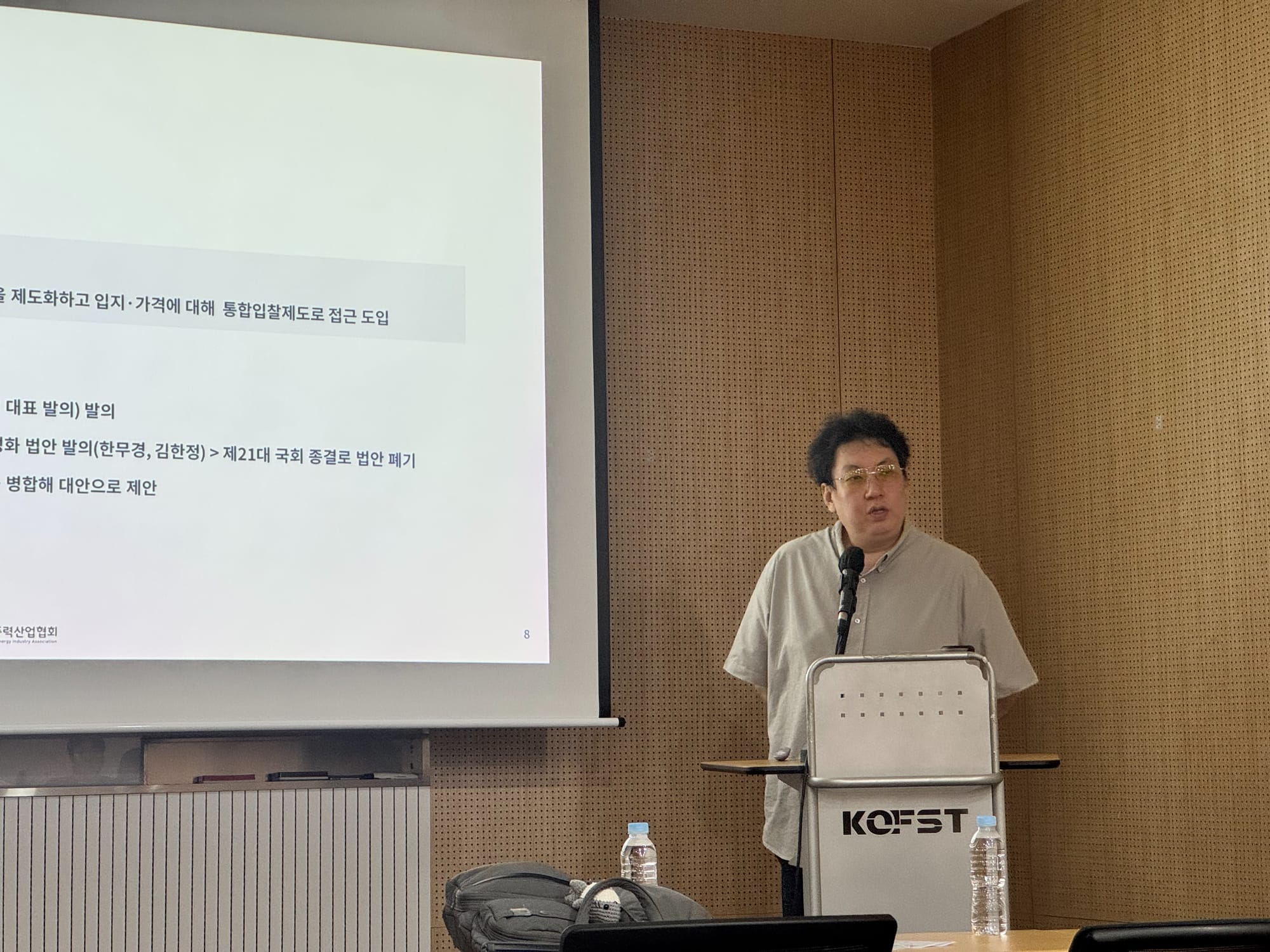
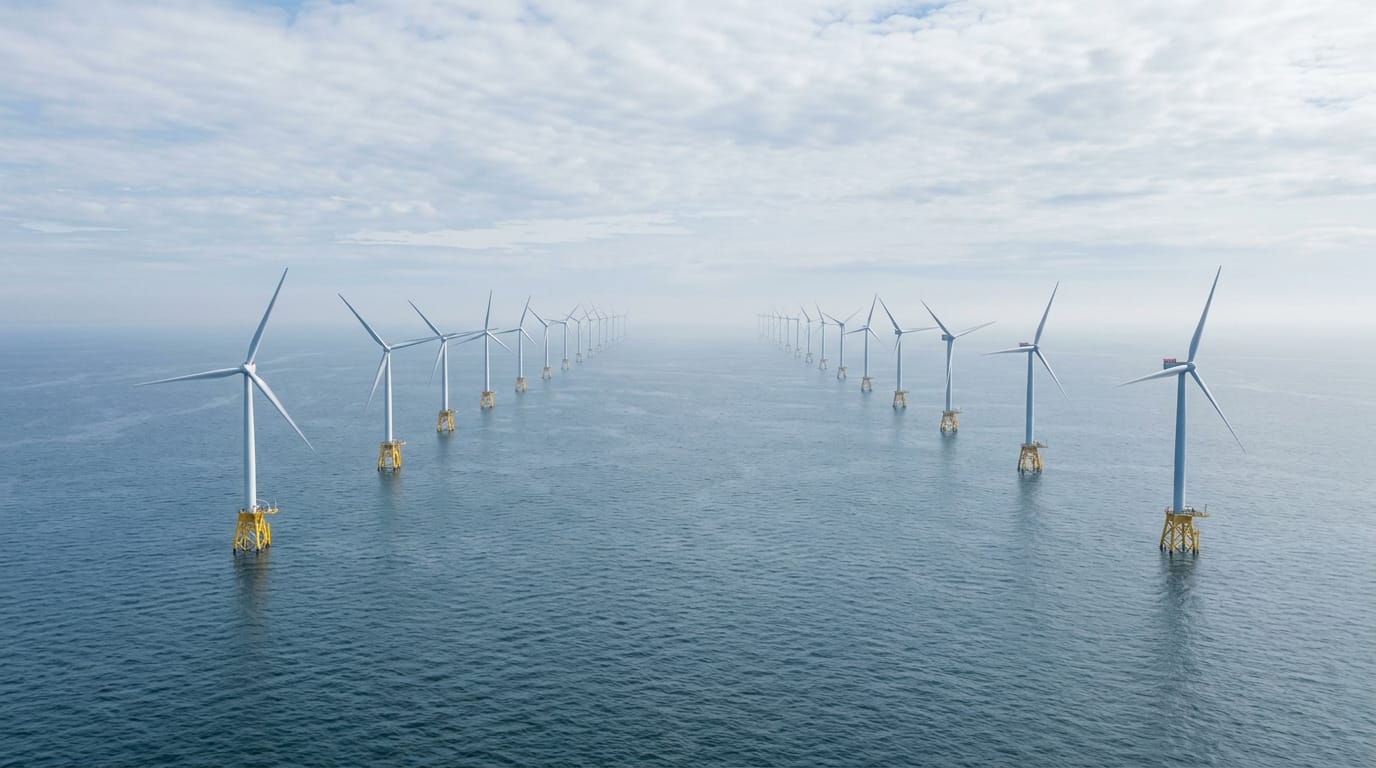
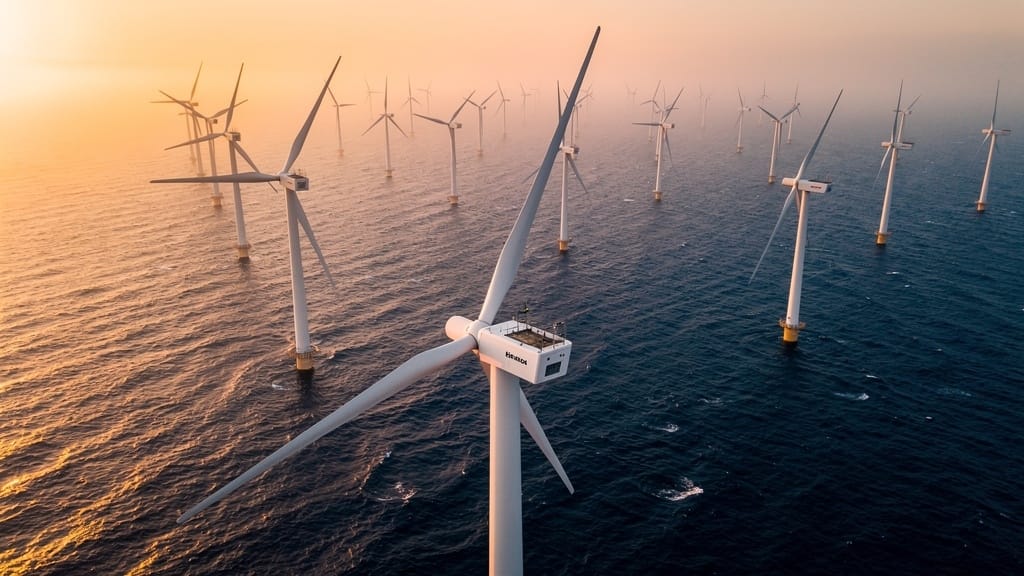
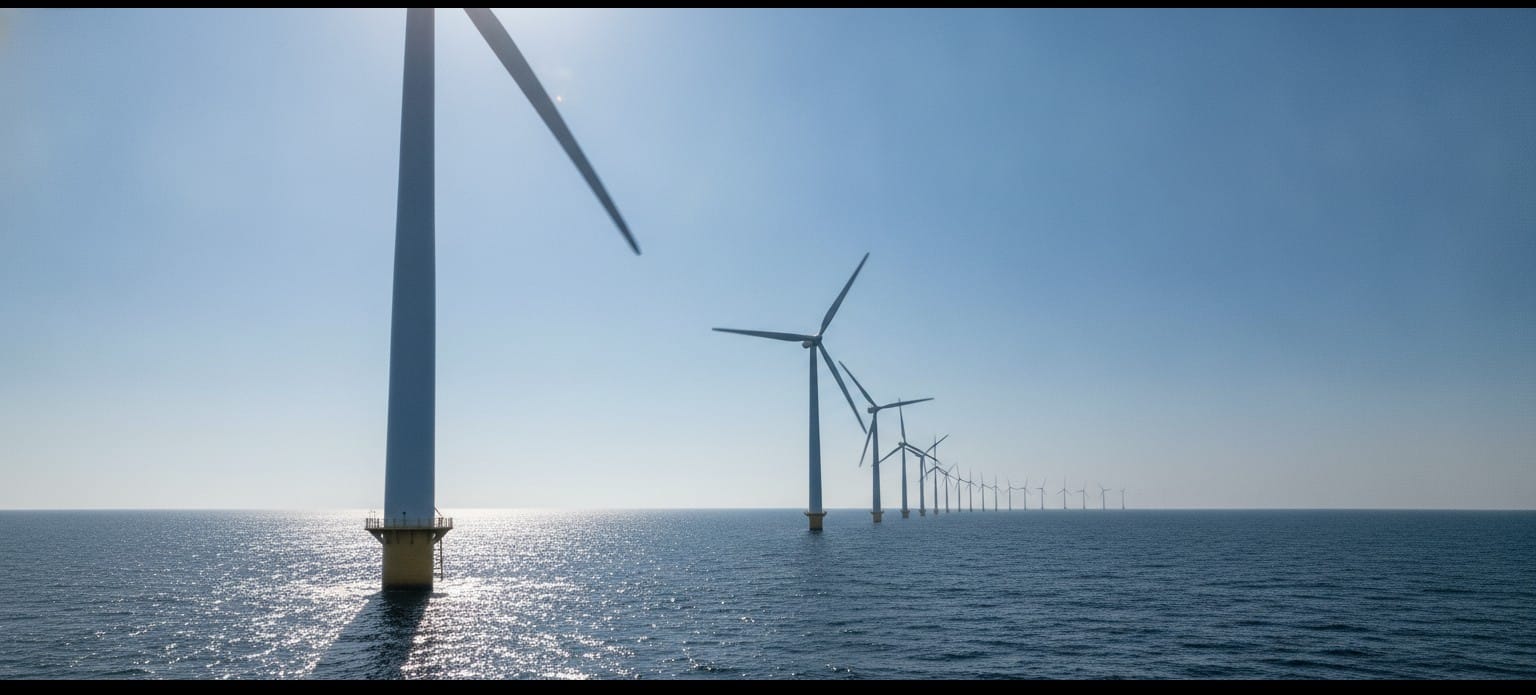
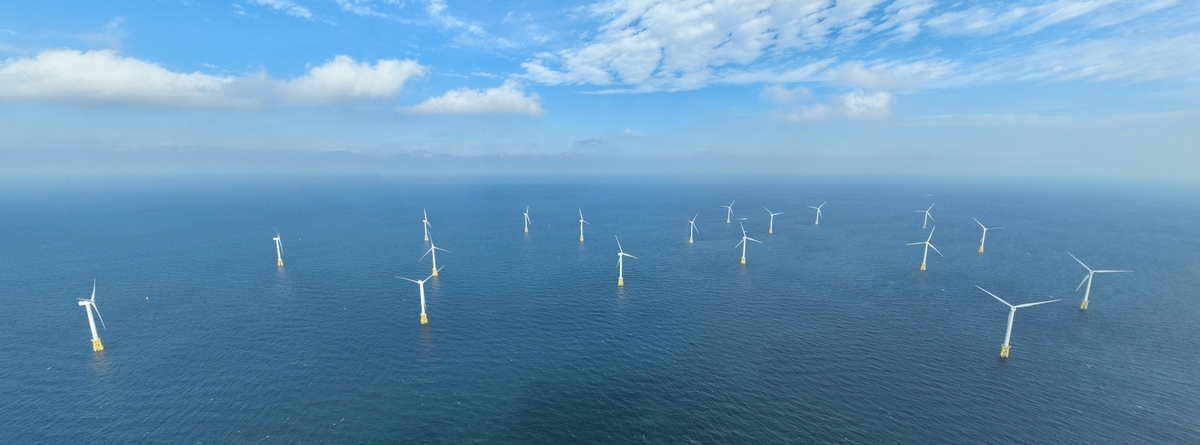
The South Korean government is implementing a new planned location system for offshore wind projects, marking a significant shift from the previous developer-led model. Under this new approach, the government will proactively identify suitable offshore wind sites and undertake initial preparatory work, including environmental assessments and stakeholder consultations. This centralization aims to streamline the complex early-stage development process, mitigating risks and administrative hurdles that previously plagued private developers, ultimately accelerating project deployment in the country.
Read original article from: SEDaily
Background and Context
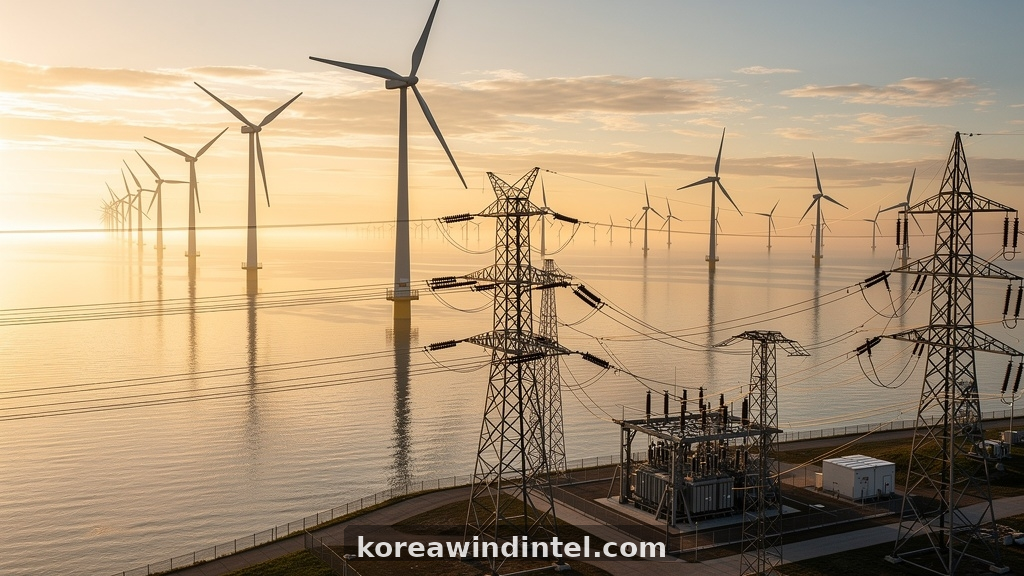
The introduction of a government-led site planning model for offshore wind in South Korea stems from persistent challenges faced by the previous developer-led system. Under the old model, private developers were responsible for identifying sites, securing all necessary permits, and negotiating with various stakeholders, often leading to protracted delays and project cancellations. Key issues included lengthy permitting processes, significant opposition from local fishing communities, and uncoordinated grid connection planning by the state utility KEPCO.
The Ministry of Trade, Industry and Energy (MOTIE) has been at the forefront of advocating for this systemic change, recognizing that the lack of a centralized, coordinated approach was a major bottleneck in achieving the nation's ambitious renewable energy targets. This new policy aligns South Korea more closely with successful offshore wind development models seen in European countries like Denmark and the UK, where governments play a more active role in de-risking sites before competitive tenders. The shift is intended to address stakeholder tensions by integrating fisheries and local community concerns into the initial planning stages, thereby reducing conflicts and accelerating project timelines by offering 'ready-to-build' sites to developers.
Insight and Outlook
This policy shift has concrete implications for international developers, investors, and suppliers eyeing the Korean offshore wind market. While it may reduce developers' autonomy in site selection, it significantly lowers early-stage development risks and costs associated with permitting and stakeholder engagement. International players can now expect a clearer, more predictable project pipeline, with a focus shifting towards competitive bidding for pre-approved, de-risked sites.
However, specific risks remain. The government's capacity and efficiency in conducting comprehensive site surveys, environmental impact assessments, and securing social acceptance will be critical. There is a risk that new bureaucratic bottlenecks could emerge if government agencies lack sufficient resources or coordination. Investors should closely watch for the first tenders under this new model, the transparency of the site selection criteria, and the actual speed of project progression. This systemic change, if implemented effectively, has the potential to unlock significant investment and accelerate Korea's offshore wind build-out, but its success hinges on robust government execution and sustained political will to overcome remaining grid constraints and local opposition.
This brief is prepared for informational purposes only. It is based on publicly available sources and AI-assisted analysis. It does not constitute investment advice. Readers should conduct their own due diligence before making any decisions.