What This Story Is About
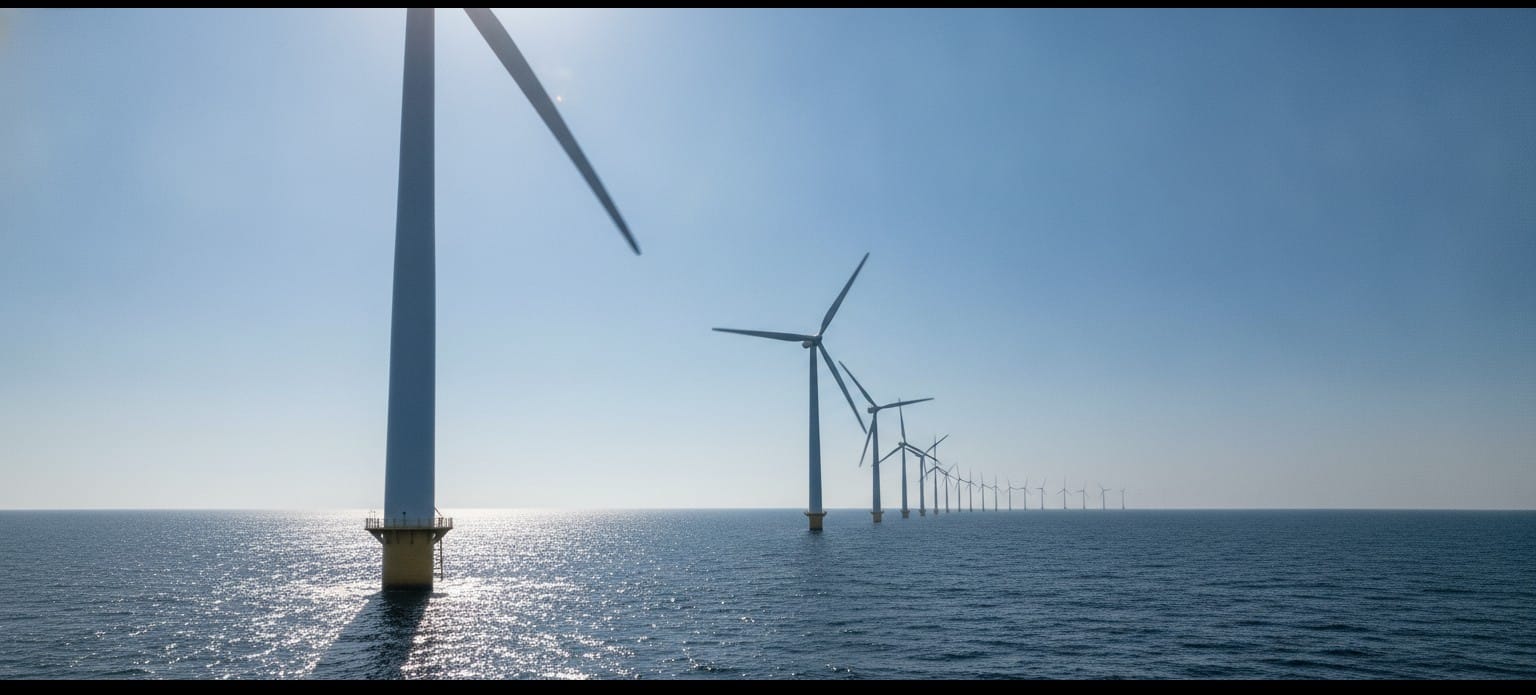
Jeonnam Province has announced the designation of a 2GW preliminary zone for offshore wind power development, a strategic move made in anticipation of the full implementation of Korea's Offshore Wind Special Law. This initiative is designed to accelerate large-scale offshore wind projects within the province, aiming to significantly revitalize the local economy through job creation and investment, while also playing a crucial role in South Korea’s broader energy transition objectives. The designation signals a proactive approach by a key coastal province to capitalize on the new regulatory framework.
Read original article from: Today Energy
Background and Context
The “Special Act for Offshore Wind”, represents a critical legislative effort to streamline the notoriously complex permitting process for offshore wind projects in South Korea. For years, offshore wind development has been hampered by a fragmented regulatory system requiring approvals from multiple ministries and local authorities, leading to significant delays and uncertainty for developers. The Special Law, which has undergone extensive debate and revision involving the Ministry of Trade, Industry and Energy (MOTIE), the Ministry of Oceans and Fisheries, local governments, and industry stakeholders, aims to establish a more unified, 'single-window' permitting system.
Key tensions during its drafting included balancing the interests of fishing communities, ensuring fair compensation mechanisms, and securing timely grid connections. The law is expected to provide a clearer framework for project planning, environmental assessments, and local community engagement, which are essential for unlocking Korea's vast offshore wind potential. Jeonnam Province, with its extensive coastline and shallow waters, has been identified as a prime location for offshore wind development. This designation of a preliminary zone underscores the province's readiness to leverage the upcoming legal framework to accelerate project deployment, addressing historical bottlenecks that have slowed previous initiatives.
Insight and Outlook
The designation of preliminary zones by Jeonnam Province, in line with the Offshore Wind Special Law, offers concrete implications for international developers, investors, and suppliers. This move indicates a shift towards a more structured and potentially expedited project development pipeline, addressing one of the most significant risks: permitting uncertainty. The Special Law, once fully implemented, is expected to reduce the time and complexity associated with securing necessary approvals, making Korean projects more attractive to foreign capital and expertise.
However, specific risks remain. Investors should closely monitor the detailed implementation rules of the Special Law, particularly regarding the specifics of local content requirements and how these will impact supply chain strategies. Grid connection availability and upgrade timelines also pose a significant challenge; while the law aims to address this, the actual execution of grid infrastructure expansion will be crucial. Furthermore, ongoing engagement and compensation frameworks for local fishing communities will need to be transparent and effective to prevent social license issues that have plagued past projects. Key milestones to watch include the finalization of the Special Law's enforcement decrees, the launch of specific project tenders within these designated zones, and progress on national grid reinforcement plans. The success of this initiative hinges on robust inter-ministerial coordination and sustained commitment to a predictable, investor-friendly regulatory environment.
This brief is prepared for informational purposes only. It is based on publicly available sources and AI-assisted analysis. It does not constitute investment advice. Readers should conduct their own due diligence before making any decisions.