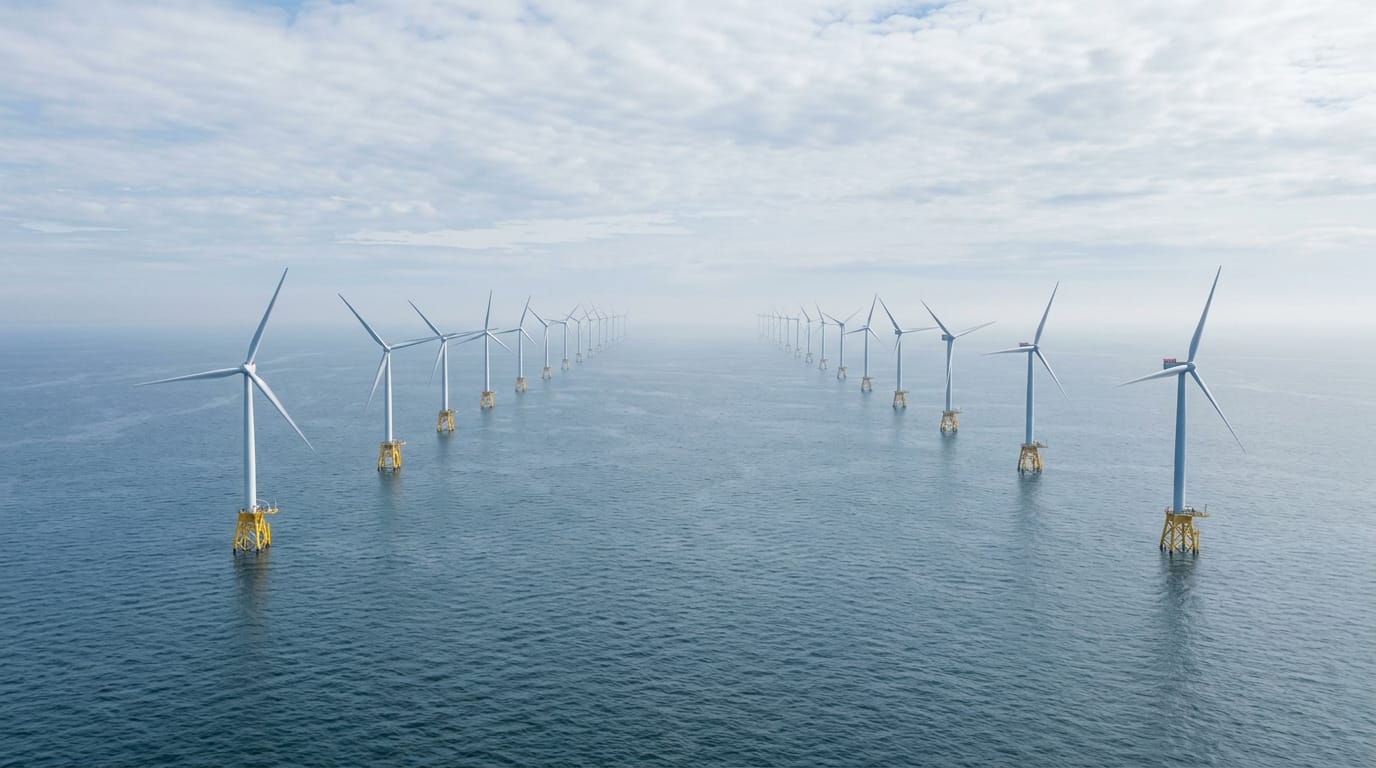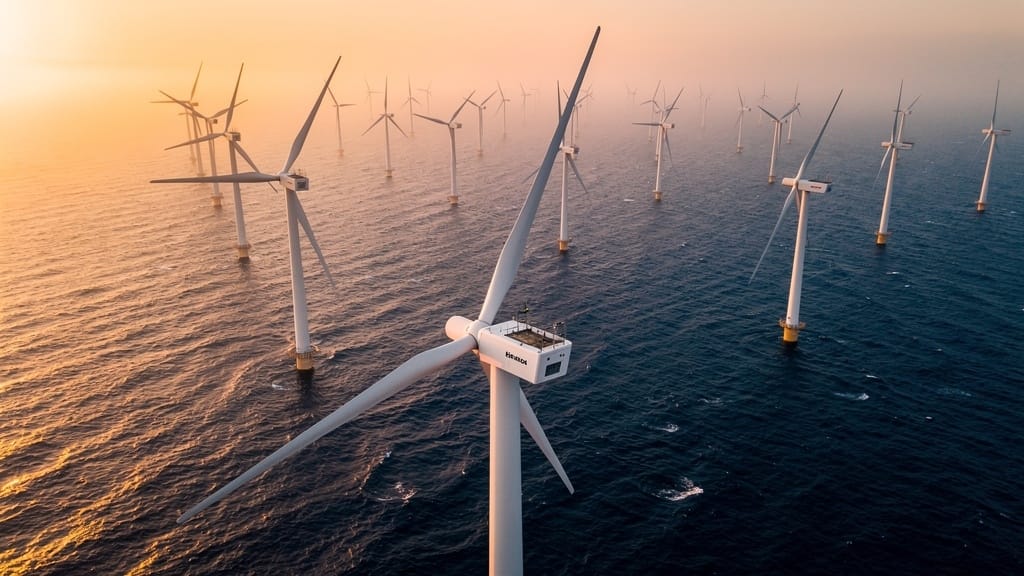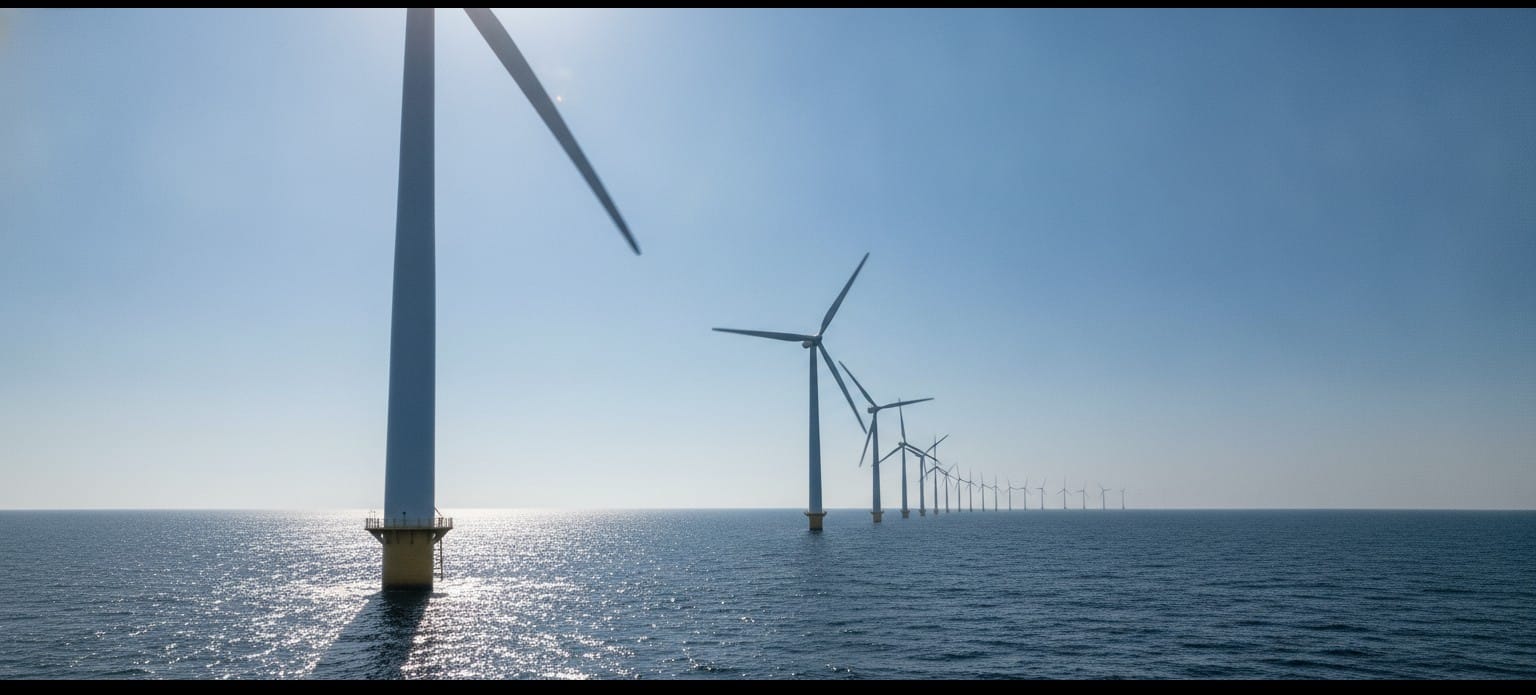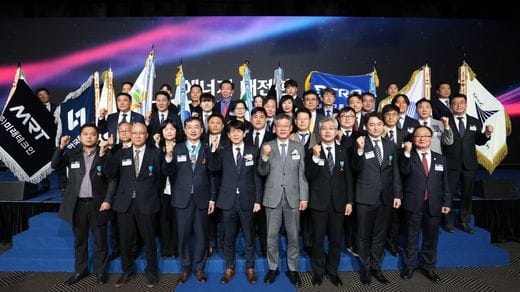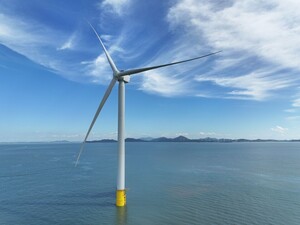
Jeonnam Province is actively promoting the establishment of a 2GW preliminary zone for offshore wind power development. This initiative is a direct response to the impending implementation of Korea's Offshore Wind Special Law, signaling a strategic move to accelerate renewable energy deployment. The project is seen as crucial for revitalizing the local economy through job creation and investment, while also playing a significant role in Korea's broader energy transition goals. Currently, various tests are underway to assess the full potential of offshore wind resources within the designated area.
Read original article from: Today Energy
The promotion of a 2GW preliminary zone by Jeonnam Province is a direct outcome of the anticipated Offshore Wind Special Law, a legislative effort designed to streamline Korea’s complex and often fragmented offshore wind permitting process. Historically, offshore wind projects in Korea have faced significant delays due to a multi-agency permitting system involving numerous ministries (e.g., MOTIE, MOF, MOFAL) and local governments, often leading to project timelines stretching over a decade. The Special Law aims to centralize and simplify this process, establishing a 'one-stop shop' permitting framework under the Ministry of Trade, Industry and Energy (MOTIE).
This new legal framework empowers provincial governments, like Jeonnam, to play a more proactive role in identifying and designating suitable preliminary zones for offshore wind development. This provincial involvement is intended to foster greater local acceptance and ensure that projects align with regional development plans and address local stakeholder concerns, particularly those of fishing communities. The law is also expected to provide clearer guidelines for environmental impact assessments and grid connection, which have been major bottlenecks. Jeonnam's move to designate a 2GW preliminary zone positions it as a frontrunner in leveraging the Special Law to attract investment and accelerate project development, building on its strong wind resources and existing port infrastructure.
Jeonnam Province's proactive designation of a 2GW preliminary zone under the Offshore Wind Special Law offers a clearer development pathway for international developers, investors, and suppliers. This move indicates an intent to reduce permitting uncertainties, a long-standing risk for foreign entities entering the Korean market. However, specific risks remain, including the successful and timely implementation of the Special Law's centralized permitting system, which still requires detailed operational guidelines. Furthermore, securing grid connection capacity for such large-scale developments in Jeonnam's southern region continues to be a critical challenge, demanding significant investment in transmission infrastructure by KEPCO.
Investors should closely watch for the finalization of the Special Law's detailed regulations and the subsequent issuance of specific project tenders or allocation rounds within this preliminary zone. The ability of Jeonnam Province to effectively manage local stakeholder engagement, particularly with fishing communities, will also be a key indicator of future project success. This event highlights a systemic opportunity for Korea to transition from a fragmented to a more coordinated offshore wind development approach, but its effectiveness will depend on robust inter-ministerial cooperation and sustained political will to overcome persistent grid and local acceptance hurdles.
This brief is prepared for informational purposes only. It is based on publicly available sources and AI-assisted analysis. It does not constitute investment advice. Readers should conduct their own due diligence before making any decisions.