Executive Insight
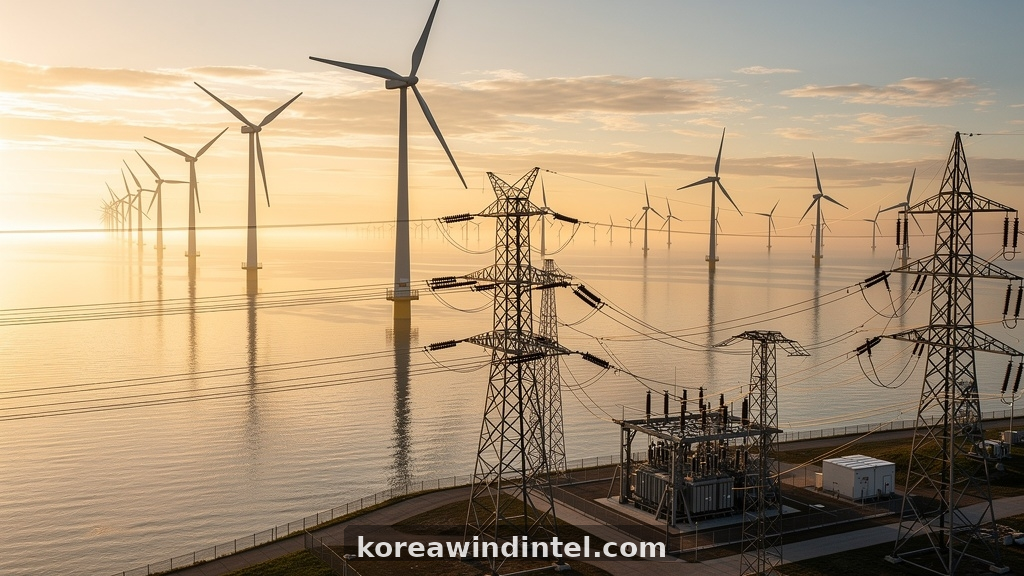
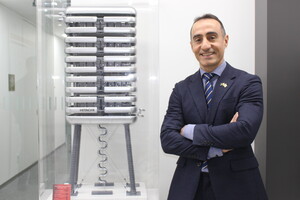
Hitachi Energy Korea’s Aman Charlestery highlighted a point that matters for South Korea’s offshore wind buildout: high-voltage direct current (HVDC) links are not won or lost on converter technology alone, but on accumulated operational experience—how systems are designed, commissioned, protected, maintained, and integrated with grid operations over time. As Korean offshore wind developers move from planning into testing and early construction phases, this shifts attention from procurement checklists to execution capability, including grid studies, controls tuning, fault-ride-through behavior, and coordinated operation with system operators.
For investors and international developers, the message is straightforward: HVDC is a bankability issue. Lenders and equity partners will scrutinize delivery risk (commissioning delays, performance guarantees, availability) and interface risk (who is responsible when offshore substations, export cables, onshore converter stations, and grid connection requirements do not align). In Korea—where permitting, grid connection queues, and evolving offshore wind tender mechanisms already add uncertainty—insufficient operational track records can translate into higher contingencies, stricter liquidated damages, and more conservative debt sizing.
Strategically, this favors project structures that import proven HVDC operating frameworks: experienced EPC consortia, long-term service agreements, digital monitoring, spares strategies, and joint control-room procedures with KEPCO and relevant system operators. It also implies a near-term premium on supply chain partners that can demonstrate reference projects and local O&M readiness, not just manufacturing capacity. For Korea’s policy agenda, the remark reinforces the need for clearer technical codes, standardized interface specifications, and transparent responsibility allocation across grid connection assets—measures that can reduce disputes during offshore wind testing and accelerate reliable grid integration at scale.