Executive Insight
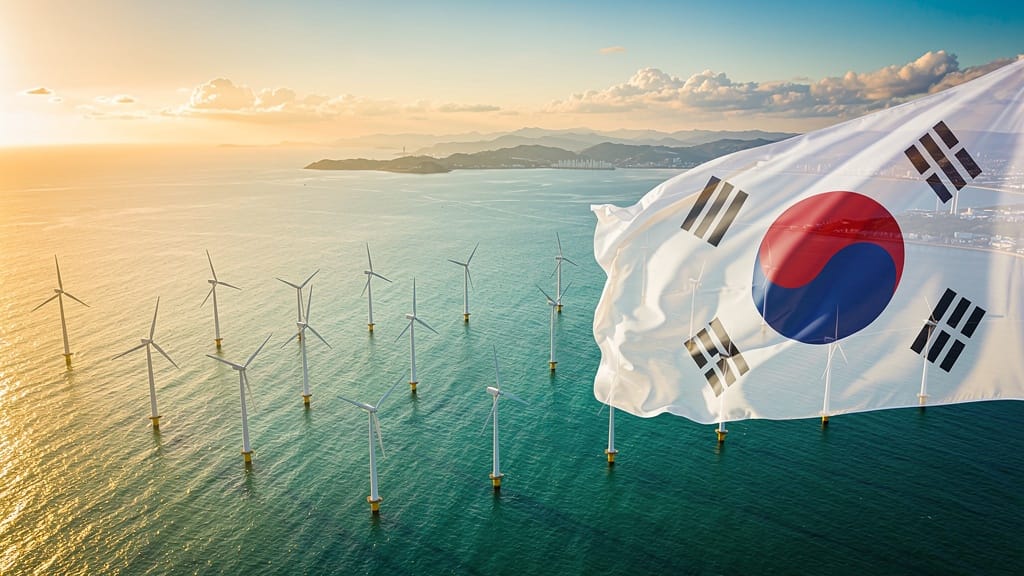
The Haewoori floating offshore wind project’s focus on testing and development is a signal that Korea’s market is moving beyond policy ambition into the practical work that de-risks project delivery: validating site conditions, technology performance, installation approaches, and grid integration assumptions. For international developers and investors, this type of progress matters because it can shorten the path from early-stage rights to bankable construction packages—especially in a market where permitting, fisheries engagement, and grid connection remain material execution variables.
Strategically, Haewoori also points to how Korea could compete globally: not only by installing capacity, but by building a repeatable development model and an export-ready supply chain. If testing outcomes support larger-scale deployment, it strengthens the case for localized engineering, port logistics, foundations, and O&M capabilities—areas where Korea’s industrial base can translate into cost and schedule advantages. However, international capital will still price in regulatory and revenue uncertainty, including offtake structures (e.g., competitive auctions vs. certificate-based mechanisms), curtailment and grid constraints, and the enforceability of local content expectations.
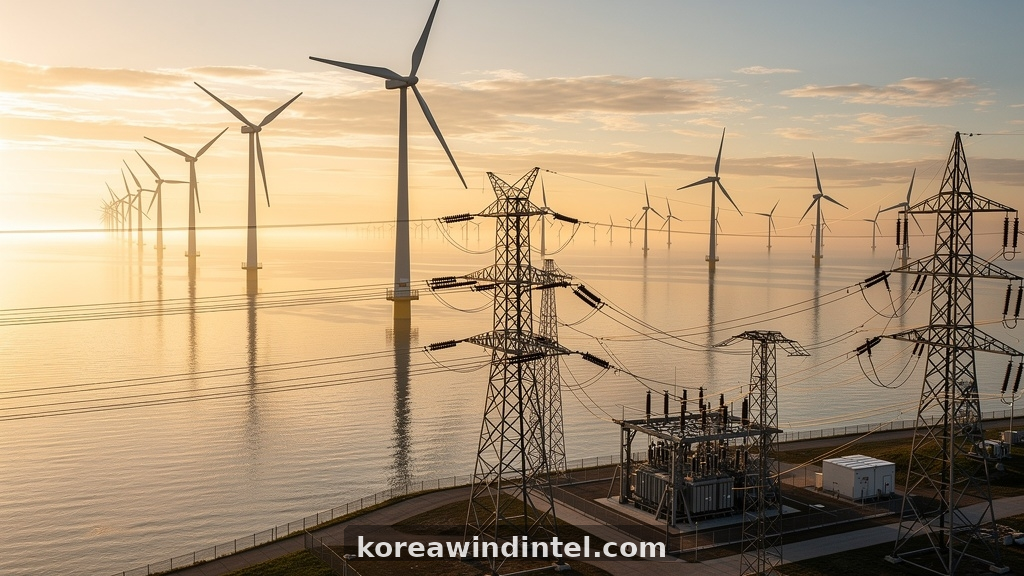
Developers should treat this as a pipeline-readiness indicator: as more projects reach the testing and pre-FEED/FEED corridor, competition will intensify for seabed survey capacity, specialized vessels, ports, and qualified subcontractors. For lenders and equity investors, the near-term opportunity is to back projects and platforms that can demonstrate (1) robust stakeholder settlement pathways, (2) credible grid connection plans, and (3) contracting strategies that balance localization with bankable warranties. In short, Haewool’s development work is less about a single site and more about Korea proving it can industrialize offshore wind delivery at scale.