What This Story Is About
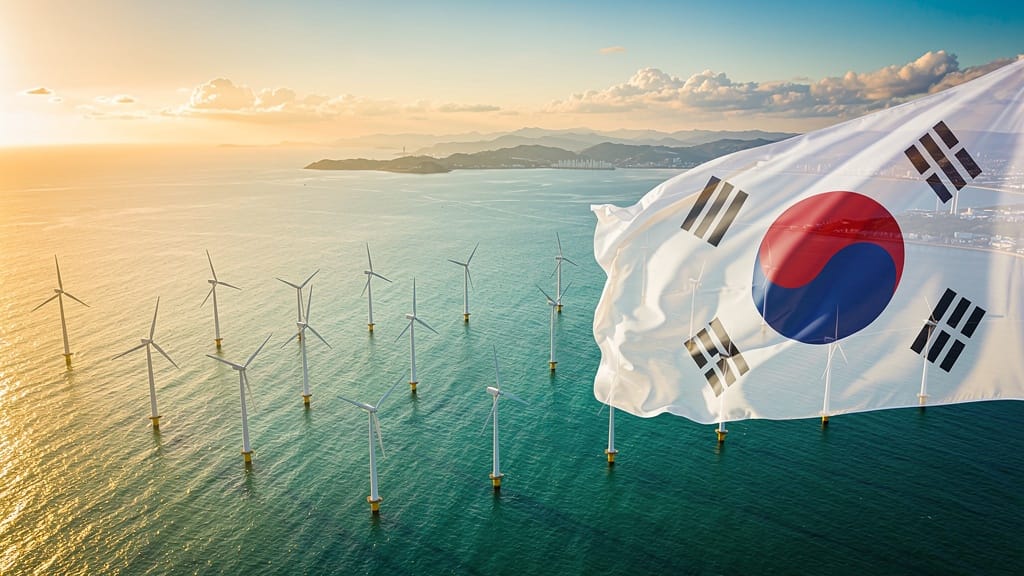
The Hae Song Offshore Wind project is gaining attention for its innovative approach to integrating local community participation and cooperation into its development strategy. This initiative underscores a commitment to fostering sustainable growth by directly linking the offshore wind farm's success with the local economy. The project aims to demonstrate how large-scale renewable energy infrastructure can deliver positive socio-economic impacts, moving beyond mere compensation to active collaboration with residents and stakeholders.
Read original article from: energy-news.co.kr
Background and Context
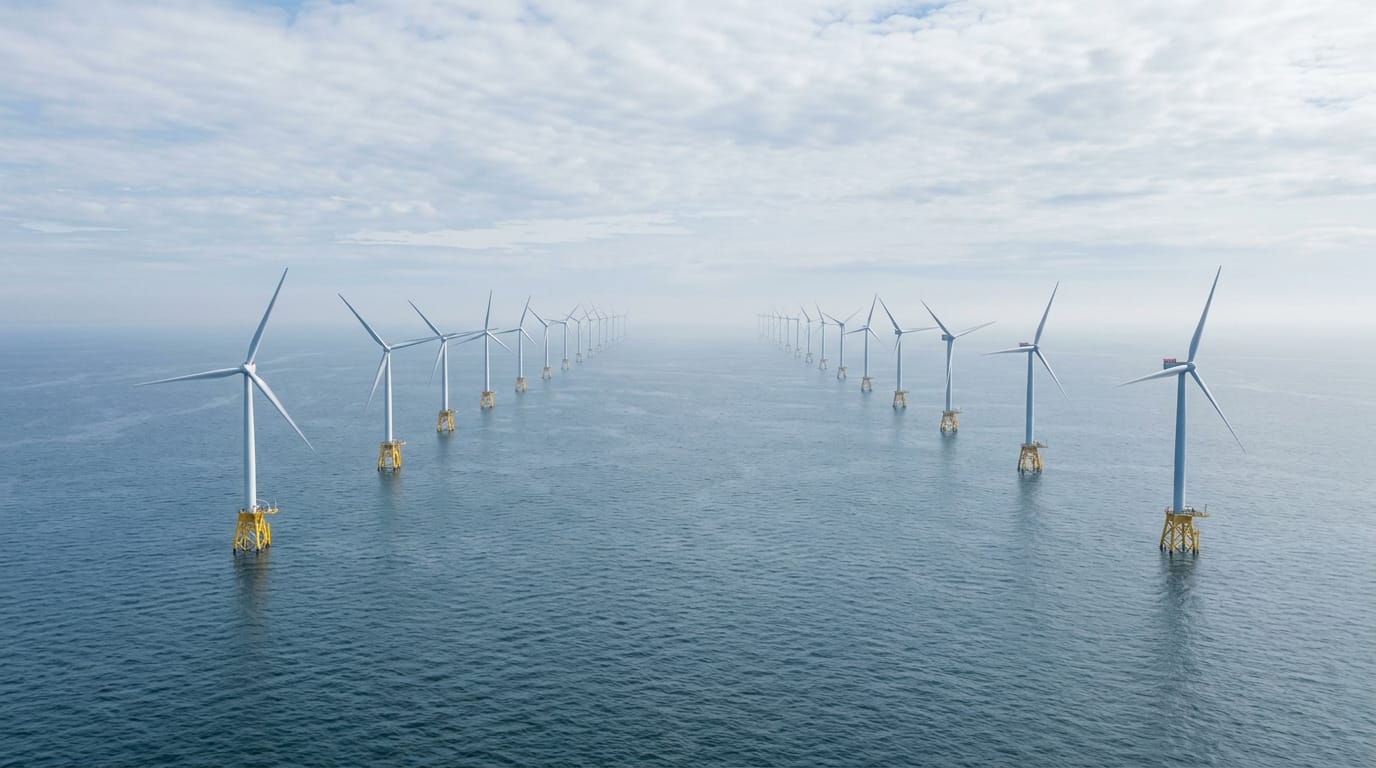
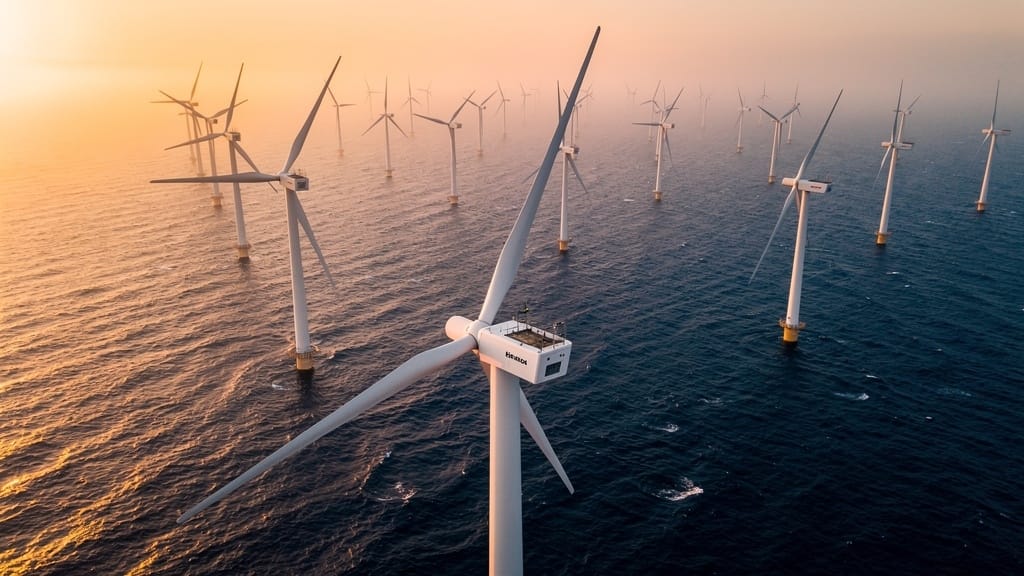
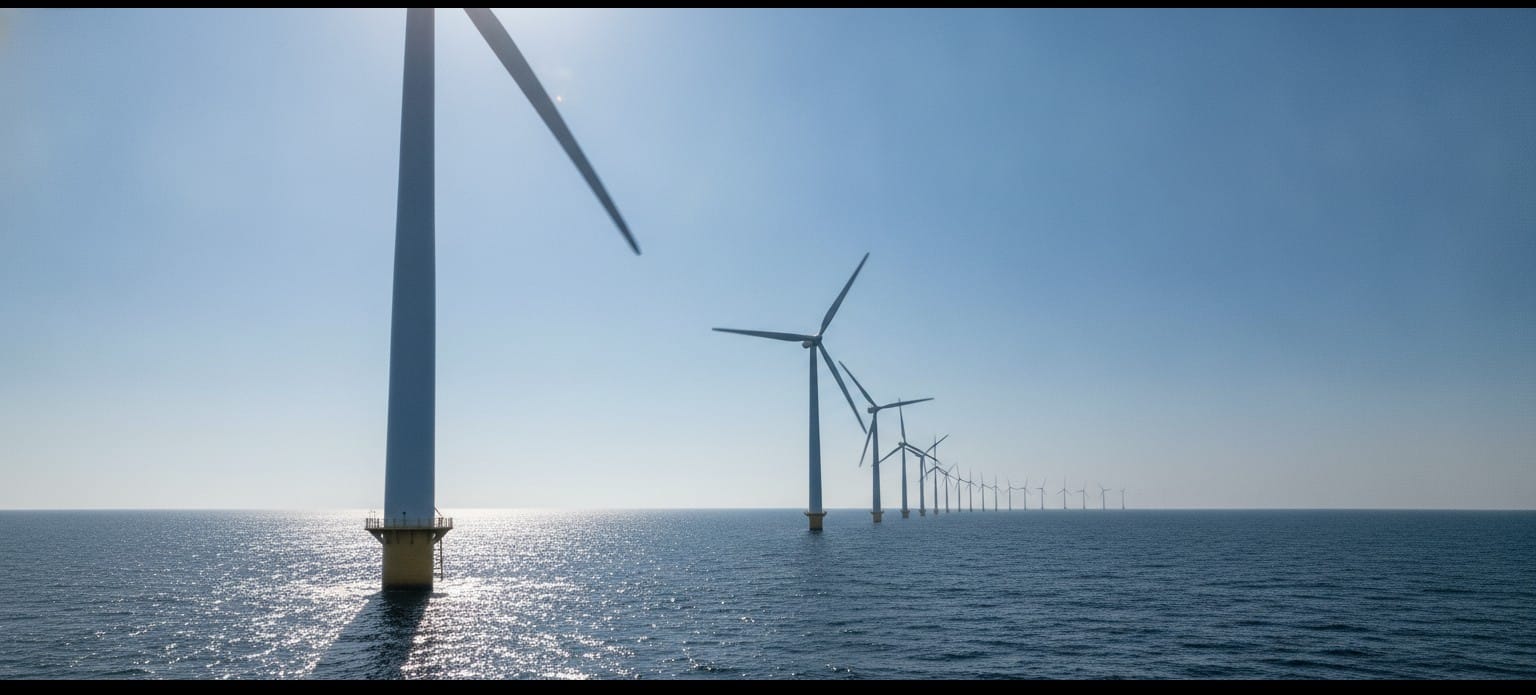
The Hae Song Offshore Wind project, a 1.2 GW fixed-bottom development led by Copenhagen Infrastructure Partners (CIP) and SK E&S, is located off the coast of Sinan-gun, Jeollanam-do. This region is a hotbed for offshore wind development in Korea, but also a flashpoint for stakeholder tensions, particularly with local fishing communities. Historically, securing social license and environmental permits has been a significant hurdle for offshore wind projects in Korea, often leading to protracted delays and even cancellations. The Korean government's Renewable Energy 3020 Plan, and subsequent targets, necessitate substantial offshore wind deployment, yet the framework for community engagement and benefit-sharing remains evolving.
The emphasis on local participation by Hae Song reflects a growing recognition within the Korean offshore wind sector that genuine community integration is paramount for project viability. Previous projects have faced strong opposition due to concerns over fishing ground displacement, environmental impact, and insufficient local benefits. Developers are now increasingly exploring models that include local equity participation, job creation, and direct economic contributions to affected communities, often facilitated by local government support. This approach aligns with the intent of the Fishermen's Compensation Act, but seeks to go further by creating a more proactive and collaborative relationship, aiming to turn potential adversaries into project partners.
Insight and Outlook
This focus on community partnership by the Hae Song project signals a critical trend for international developers, investors, and suppliers in the Korean offshore wind market. Successful navigation of local community relations is no longer a peripheral concern but a core determinant of project bankability and timelines. International players must prioritize robust, transparent, and culturally sensitive engagement strategies from the earliest stages of development. Key risks remain in the permitting process, particularly securing social acceptance and managing diverse local stakeholder expectations, which can still lead to significant delays and cost overruns if not managed proactively.
Investors should watch for milestones related to the project's progress in securing local agreements, as these often precede major regulatory approvals. The establishment of clear, replicable frameworks for community benefit-sharing, potentially through government-backed initiatives or standardized industry practices, would de-risk future projects. This event highlights the systemic challenge of balancing national energy security goals with local livelihoods and environmental protection, underscoring that for Korea's ambitious offshore wind targets to be met, effective and equitable community integration models like Hae Song's will be essential to deliver results.
| Project Name | Developer(s) | Location | Total Capacity (MW) | Water Depth | Distance from Shore | Foundation Type | PPA / Offtake | Environmental Permit Status | Construction Start (planned) | COD (planned) |
|---|---|---|---|---|---|---|---|---|---|---|
| Hae Song Offshore Wind | Copenhagen Infrastructure Partners (CIP), SK E&S | Off Sinan-gun, Jeollanam-do | 1200 | Fixed-bottom (est. 30-50m) | >50 km (est.) | Fixed-bottom | KEPCO Feed-in Tariff / Auction | Under assessment / Development | Mid-late 2020s | Late 2020s / Early 2030s |
Company / Developer Profile: Copenhagen Infrastructure Partners (CIP)
Copenhagen Infrastructure Partners (CIP) is a global leader in fund management specializing in energy infrastructure, with a significant and growing presence in the Korean offshore wind sector. CIP manages several funds that invest in large-scale renewable energy projects worldwide, including offshore wind, onshore wind, solar PV, biomass, and energy-from-waste. In Korea, CIP is actively developing multiple projects, demonstrating a long-term commitment to the market.
| Project Name | Capacity (MW) | Location | Role | Status |
|---|---|---|---|---|
| Hae Song Offshore Wind | 1200 | Sinan, Jeollanam-do | Developer | Development |
| Jeonnam Offshore Wind 1 | 99 | Shinui-myeon, Sinan-gun | Developer | Development |
| Ulsan MunmuBaram Floating Offshore Wind | 1200 | Off Ulsan | Developer | Development |
Related News Links:
CIP Unveils 1.2 GW Floating Offshore Wind Project Off Ulsan — Offshore Wind
Company / Developer Profile: SK E&S
SK E&S is a major energy company in South Korea, part of the SK Group, focusing on LNG, power generation, and urban gas. The company is actively diversifying its portfolio into renewable energy, including solar, fuel cells, and offshore wind, as part of Korea's broader energy transition goals. Its partnership with international developers like CIP underscores a strategic move to leverage global expertise in large-scale renewable infrastructure development.
| Project Name | Capacity (MW) | Location | Role | Status |
|---|---|---|---|---|
| Hae Song Offshore Wind | 1200 | Sinan, Jeollanam-do | Developer | Development |
Related News Links:
SK E&S to Invest KRW 35 Trillion to Become a Global Green Energy Company — SK E&S
CIP, SK E&S Sign MoU on South Korean Offshore Wind Project Development — Offshore Wind
This brief is prepared for informational purposes only. It is based on publicly available sources and AI-assisted analysis. It does not constitute investment advice. Readers should conduct their own due diligence before making any decisions.