What This Story Is About
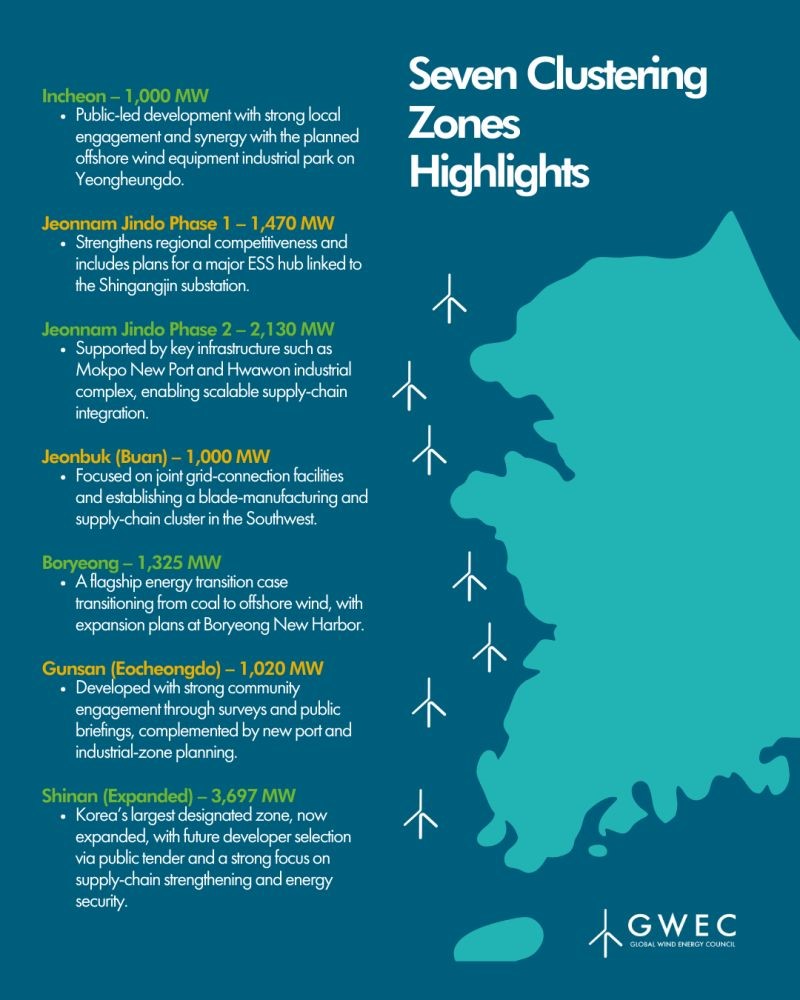
The Global Wind Energy Council (GWEC) recently published a map illustrating South Korea's coordinated approach to offshore wind expansion. This map highlights the strategic planning and scaling of offshore wind development across several key regions, providing critical insight into the country's efforts to streamline project deployment and overcome historical development hurdles.
Read original article from: Ocean Energy Resources
Background and Context
South Korea's offshore wind sector has historically faced significant challenges stemming from a fragmented regulatory and permitting framework. Until recently, project developers had to navigate approvals from over 10 different ministries, including the Ministry of Trade, Industry and Energy (MOTIE), the Ministry of Oceans and Fisheries (MOF), and the Ministry of Environment, leading to protracted delays and high development costs. This lack of a consolidated 'one-stop shop' for permits has been a major impediment to achieving the nation's ambitious renewable energy targets and attracting foreign investment.
The need for improved coordination has been a consistent call from industry stakeholders, including GWEC, which advocates for streamlined policy frameworks globally. The map published by GWEC underscores the industry's focus on identifying areas where coordinated development can accelerate project lifecycles. While South Korea has made strides in recent years, including discussions around a Special Act for offshore wind to centralize permitting under MOTIE, the implementation of such a framework remains a key hurdle. Previous policy efforts, such as the 'Renewable Energy 3020 Plan,' outlined significant capacity targets, but actual deployment has lagged due to these systemic issues. GWEC's mapping initiative highlights the spatial planning aspect, which is crucial for de-risking projects by identifying suitable zones early and mitigating conflicts with existing maritime users like fisheries.
Insight and Outlook
GWEC's map provides a valuable, albeit unofficial, overview of how the industry perceives South Korea's offshore wind coordination efforts. For international developers, investors, and suppliers, such a visualization offers a clearer understanding of potential development zones and the strategic thinking behind project clustering, which could lead to economies of scale and shared infrastructure. However, the map itself does not represent a policy change but rather an interpretation of existing or proposed coordination strategies.
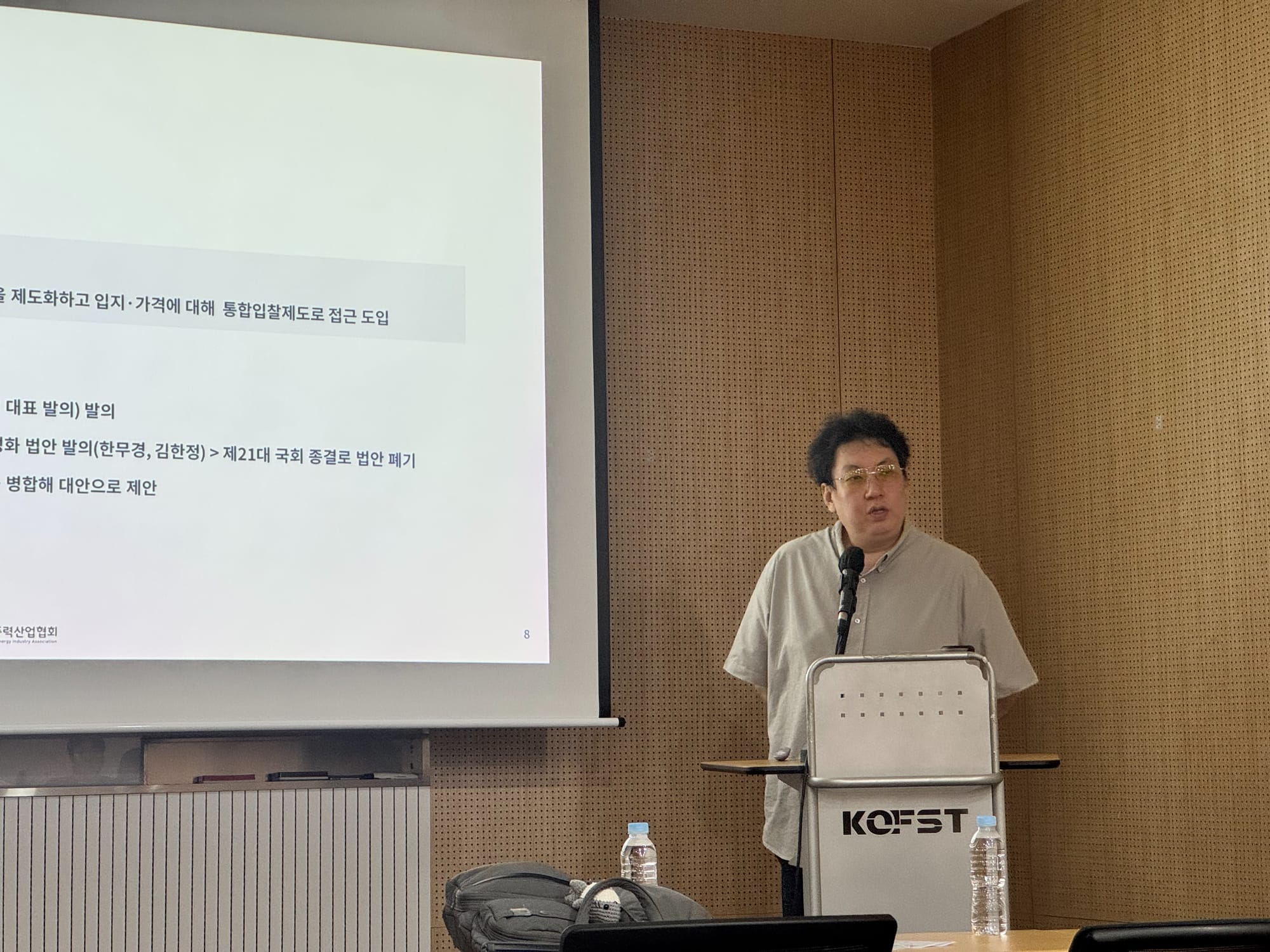
The primary risk remains the actual implementation of a truly coordinated and streamlined permitting process by the Korean government. While discussions around a Special Act are ongoing, legislative progress has been slow. Investors should closely monitor parliamentary developments regarding this 'special law' as a key milestone. Further, successful coordination will require continuous engagement with local communities and fisheries, who have historically expressed strong opposition to offshore wind projects. Grid connection availability and upgrade schedules also pose a systemic challenge that requires robust, coordinated planning from KEPCO and MOTIE to ensure developed capacity can be brought online. The map's utility will ultimately depend on whether it reflects a genuine shift towards efficient project delivery or merely highlights aspirations for better coordination.
This brief is prepared for informational purposes only. It is based on publicly available sources and AI-assisted analysis. It does not constitute investment advice. Readers should conduct their own due diligence before making any decisions.