Executive Insight
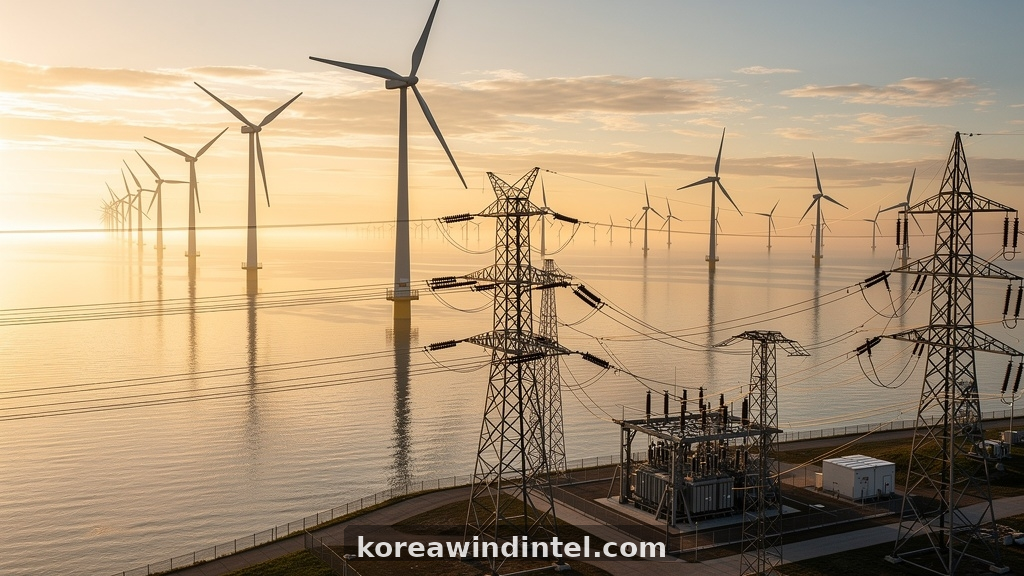
Glamox’s award to supply marine lighting for the 390MW Shinan Ui offshore wind farm is a small-scope package compared with turbines or foundations, but it signals a broader market reality: South Korea’s offshore wind pipeline is moving into execution where bankable projects increasingly procure specialized, offshore-certified systems. For international suppliers, this is an indicator that local projects are willing to source proven technology for harsh marine environments, particularly where compliance, safety, and lifetime maintenance requirements are strict.
For investors and developers, the contract highlights how project delivery risk is being managed through well-established OEMs in auxiliary and safety-critical systems (lighting, navigation aids, electrical balance-of-plant components). These packages affect construction readiness, marine operations planning, and O&M cost profiles—areas that lenders scrutinize as Korea transitions from development-stage ambitions to build-stage reality. A project positioned as the country’s largest offshore wind farm also amplifies reputational and performance demands, pushing EPCs and developers toward suppliers that can document offshore track records, corrosion protection standards, and serviceability.
Strategically, Shinan Ui underscores the importance of supply-chain localization and interface management. Korea’s policy direction favors domestic value creation, yet specialized components may still be imported when qualification, delivery assurance, and certification outweigh local availability. International entrants should anticipate tighter prequalification, marine certification requirements, and stronger expectations for local service partnerships (spares, rapid response, and long-term warranties). Developers can use such procurement milestones to de-risk schedules, but they must also manage FX exposure, shipping lead times, and customs/QA processes—factors that can materially affect commissioning timelines and, ultimately, revenue start dates under evolving Korean procurement and grid-connection conditions.