Executive Insight
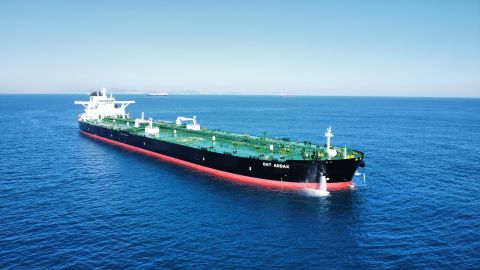
DHT Holdings’ delivery of a second very large crude carrier (VLCC) from Hanwha Ocean is primarily a shipping-cycle datapoint, but it also highlights a structural factor offshore wind investors should keep tracking in South Korea: yard capacity allocation and industrial prioritization. Korean shipbuilders remain globally competitive, and orderbook visibility from large commercial vessels can influence how aggressively yards pursue (or price) offshore wind-linked fabrication such as foundations, substations, and installation vessels. When yards are full, offshore wind developers can face higher costs, longer lead times, and tighter negotiating leverage for heavy steel and specialized marine construction.
For international developers and OEMs, this reinforces the need for earlier, bankable procurement strategies in Korea—especially for assets competing for similar fabrication resources (large-scale welding, plate steel, quay access, heavy-lift cranes). In financing terms, any uncertainty on delivery slots or pricing feeds directly into EPC contingencies, delay risk, and ultimately debt sizing and DSCR buffers. Developers with credible offtake pathways (e.g., utility-backed contracts or corporate PPAs) and well-advanced permits will be better positioned to secure shipyard-backed commitments, while earlier-stage projects may be pushed to less optimal timelines or forced into multi-country supply chains.
From a policy and market-readiness perspective, Korea’s offshore wind buildout depends not only on permitting and grid but also on industrial throughput. The same shipbuilding ecosystem that supports energy shipping can underpin offshore wind localization goals—if commercial incentives align. Investors should watch for signals such as yard portfolio shifts toward offshore structures, long-term framework agreements with developers, and government measures that de-risk domestic manufacturing (standardization, port upgrades, and support for installation vessels). The VLCC deliveries underscore that Korea’s maritime industrial base is active and expanding, but offshore wind will still need clear demand signals and bankable project pipelines to secure capacity on competitive terms.