Executive Insight
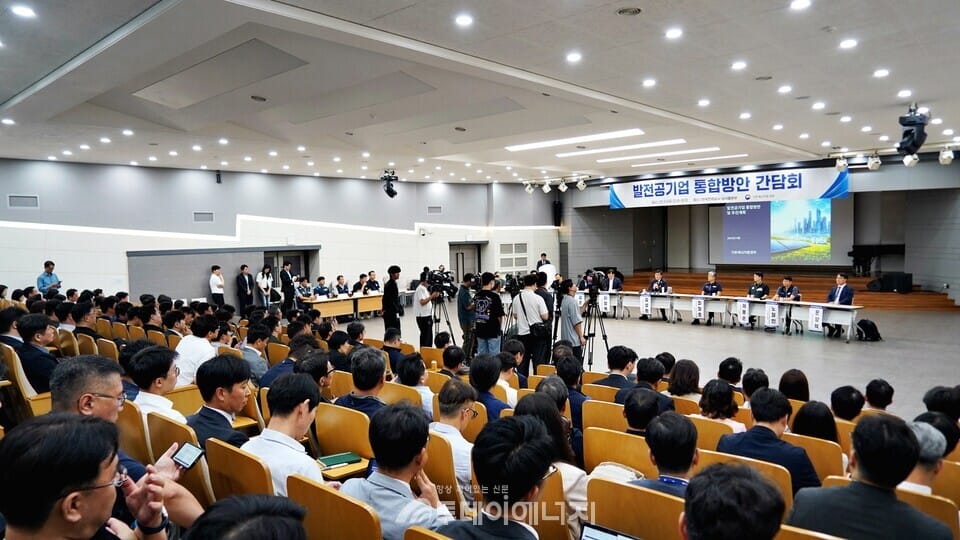
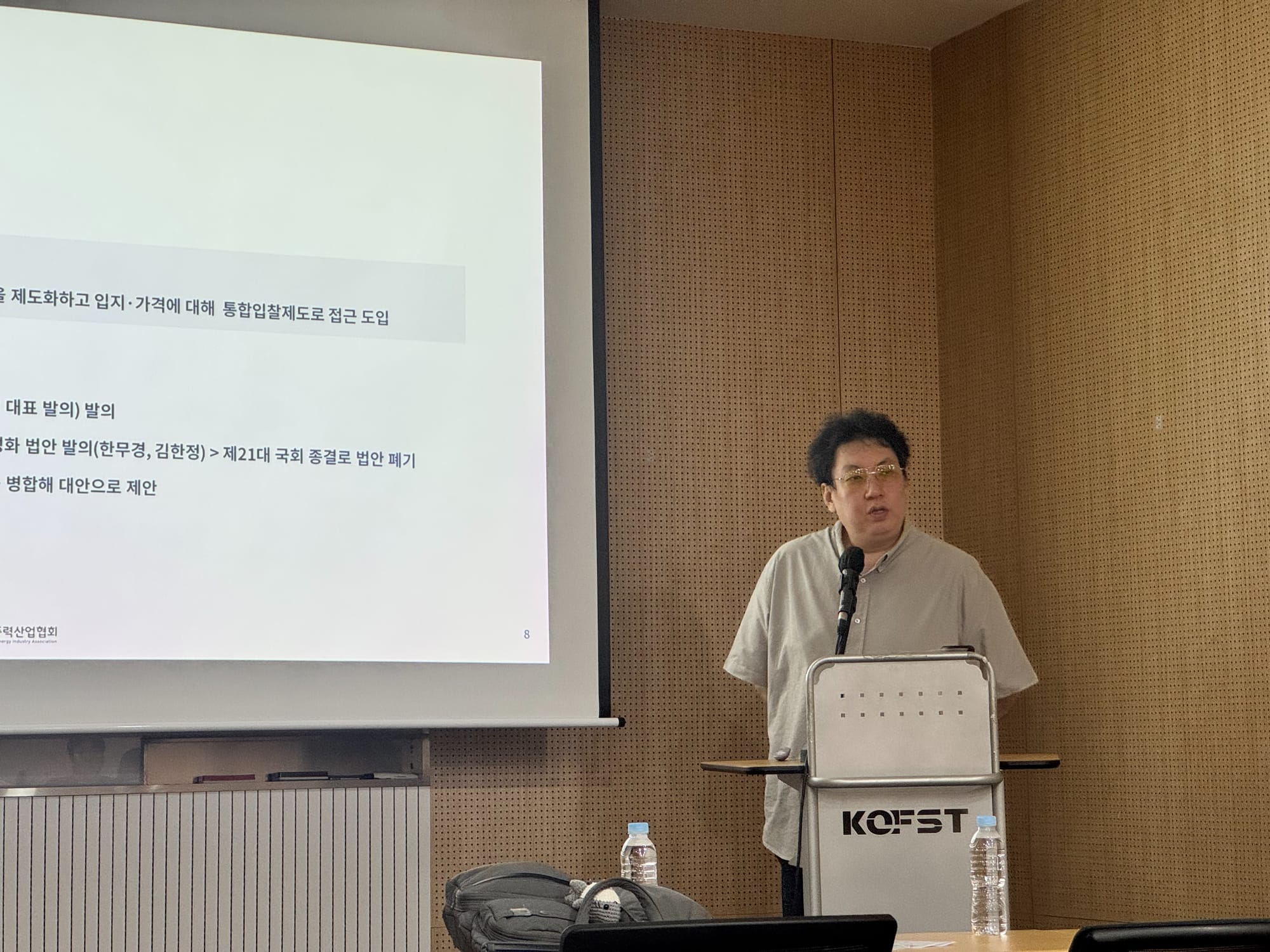
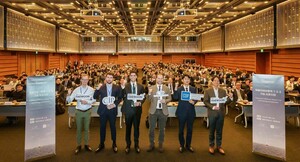
Copenhagen Infrastructure Partners (CIP) hosted a technology symposium in Ulsan focused on its Haewoori floating offshore wind project, sharing the latest offshore wind technologies and testing outcomes. While not a financing or permitting milestone on its own, this type of technical disclosure is a practical signal to the market: developers are moving from concept positioning toward execution readiness, where bankability hinges on validated performance data, clearer interfaces between packages, and credible risk allocation across the supply chain. For Korea’s floating segment—where project complexity, harsh metocean conditions, and port constraints amplify delivery risk—technical transparency can materially improve stakeholder confidence and shorten later due diligence cycles.
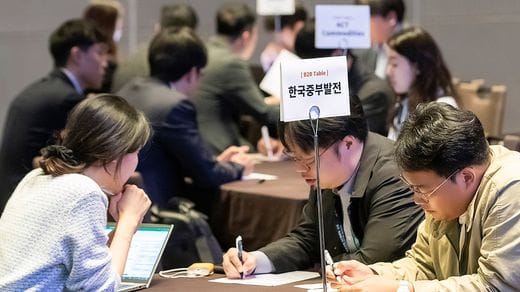
For international investors and offshore wind developers, the symposium underscores two strategic realities in Korea. First, floating wind competitiveness will be determined less by headline capacity and more by industrialization of repeatable designs: hull/floater selection, mooring and dynamic cable solutions, O&M concepts, and verification testing that lenders and insurers can underwrite. Second, Ulsan’s role as a fabrication and marine engineering hub makes it a focal point for localization strategies. Technology briefings convening EPC contractors, OEMs, marine service providers, and local governments can accelerate alignment on standards, certification pathways, and port/logistics upgrades—all of which affect capex, schedule certainty, and ultimately the strike price bidders can sustain under Korea’s evolving procurement and permitting environment.
Commercially, the immediate implication is pipeline de-risking: developers that can demonstrate validated test results and clear integration plans are better positioned to secure preferred supplier capacity, negotiate firm installation windows, and attract strategic partners ahead of competitive tenders. For the broader Korean market, events like this also pressure the ecosystem to mature—from grid connection planning and maritime spatial coordination to domestic manufacturing readiness for floating-specific components. International players evaluating entry should treat these symposium outputs as actionable intelligence: who is being invited into the tent, which technologies are being prioritized, and where interface risks may sit (floater-yard availability, cable lead times, heavy-lift vessels, and local content expectations).