Ulsan Targets 1GW Renewables by 2030, Eyes Floating Offshore Wind from 2031
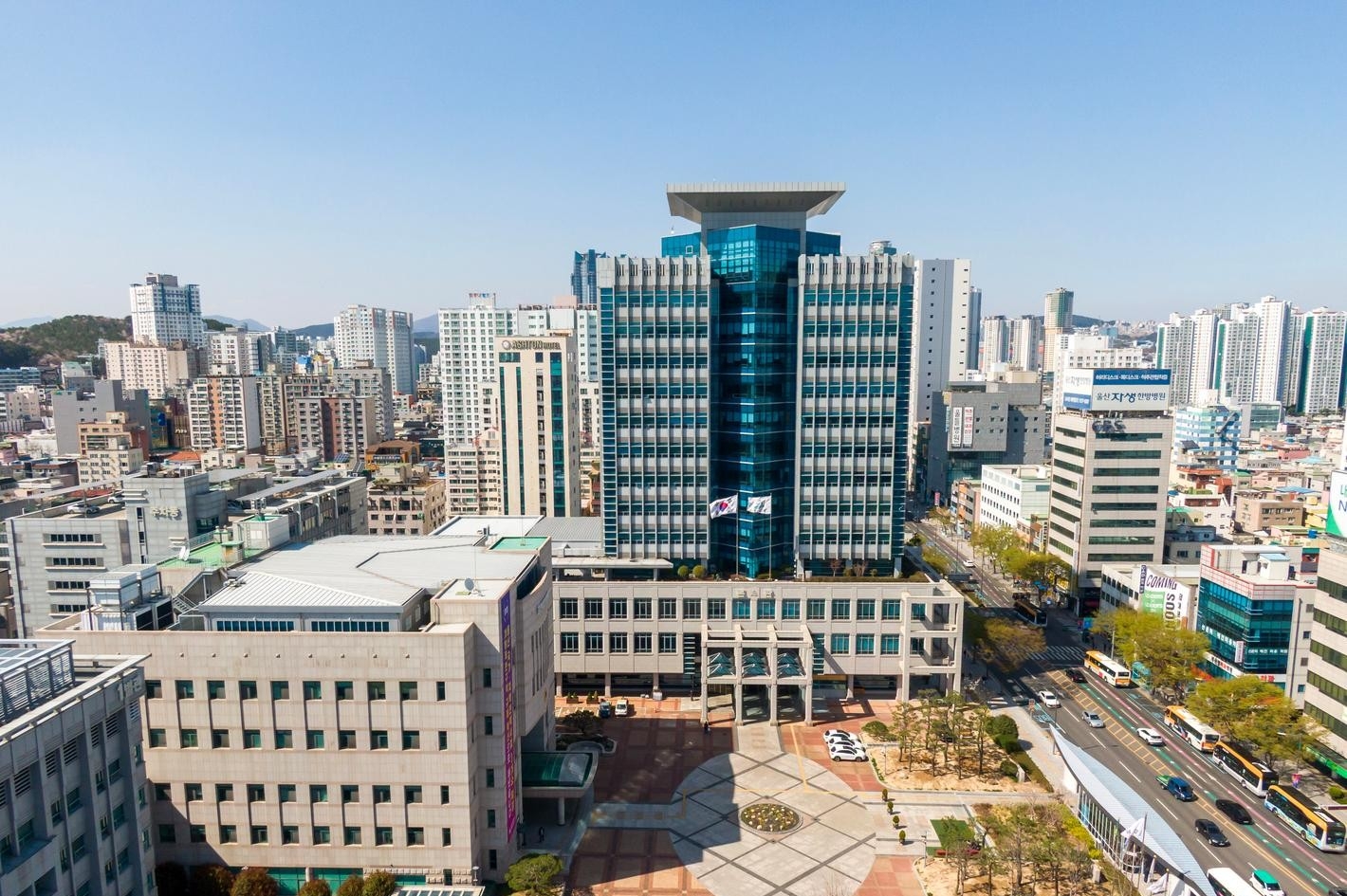
Ulsan will roll out a solar welfare-fund program and scale renewables to 1GW by 2030, positioning for floating offshore wind development from 2031.
Executive Insight
Ulsan’s planned “Haetbitmasil” solar program signals a pragmatic Korean pathway for accelerating renewables: pairing local public-benefit funding with capacity build-out. By framing solar generation as a contributor to a welfare fund, the city is effectively strengthening local acceptance and political durability—two recurring bottlenecks for large-scale energy infrastructure in Korea. For the wider market, this approach is noteworthy because it creates an additional non-tariff value stream (social welfare outcomes) that can help de-risk project continuity across election cycles and policy shifts, aligning with the national objective of expanding renewable generation.
The stated ambition—1 GW of renewables by 2030—adds momentum to Korea’s sub-national competition for clean-energy leadership, particularly in industrial coastal hubs. For offshore wind, Ulsan’s timeline matters: a transition “toward developing a floating offshore wind farm complex from 2031” places the city in the second wave of Korea’s floating market, likely after earlier demonstrators. That sequencing can be advantageous. It allows Ulsan to incorporate lessons learned from first-mover projects on consenting, fisheries engagement, port logistics, and grid constraints—areas that have driven delays and cost uncertainty. However, it also implies that supply-chain commitments and grid planning must be locked in well before 2031, given long lead times for floating foundations, dynamic cables, and installation vessels.
For international investors and offshore wind developers, the strategic takeaway is that Ulsan is building a policy narrative that connects near-term distributed solar with a longer-term offshore wind industrial cluster. Developers should read this as an invitation to engage early on: (1) local stakeholder frameworks that monetize community benefits, (2) port and O&M base planning tied to floating-specific needs, and (3) potential corporate offtake structures linked to Ulsan’s heavy-industry load. Investors should monitor how the welfare-fund mechanism is structured—e.g., revenue earmarking, governance, and bankability—because similar models could become templates for improving social license and reducing permitting risk across Korea’s offshore wind pipeline.