South Korea Revives Gunsan Offshore Wind Training Hub to Bolster O&M Workforce
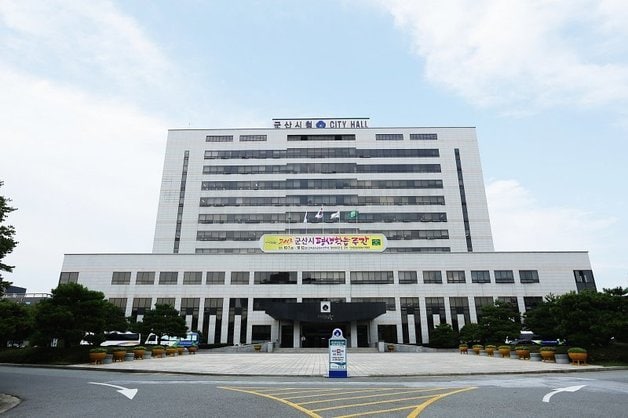
Gunsan will restart an offshore wind support center to train operations and maintenance personnel, targeting completion in 2027. The move aims to strengthen local supply chains and long-term O&M capacity.
Executive Insight
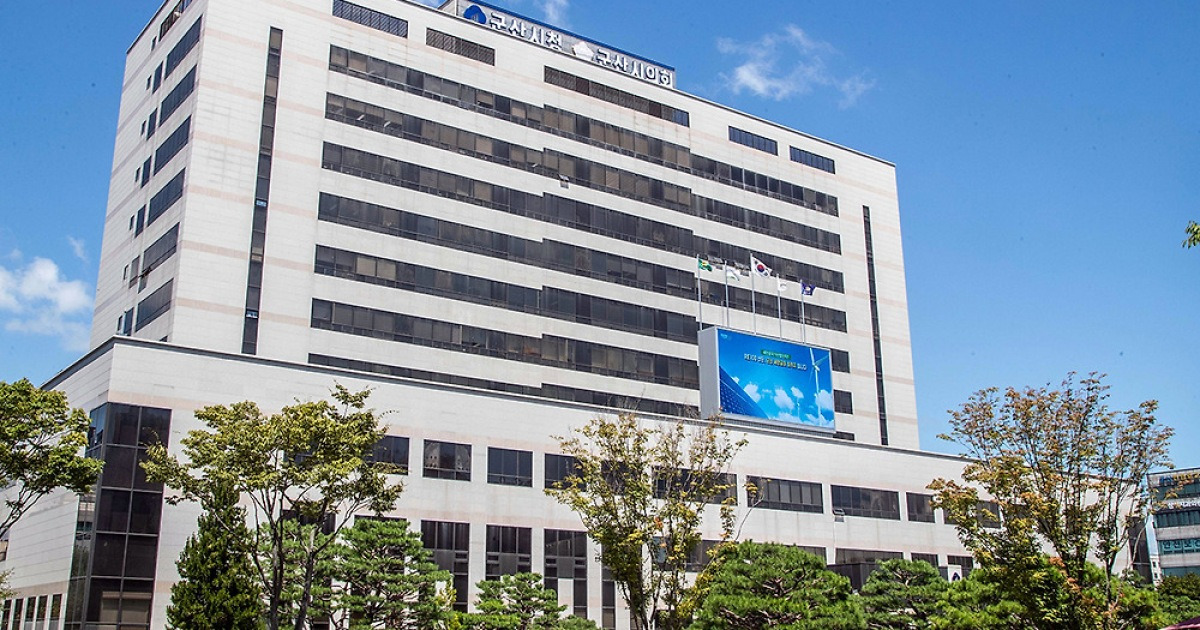
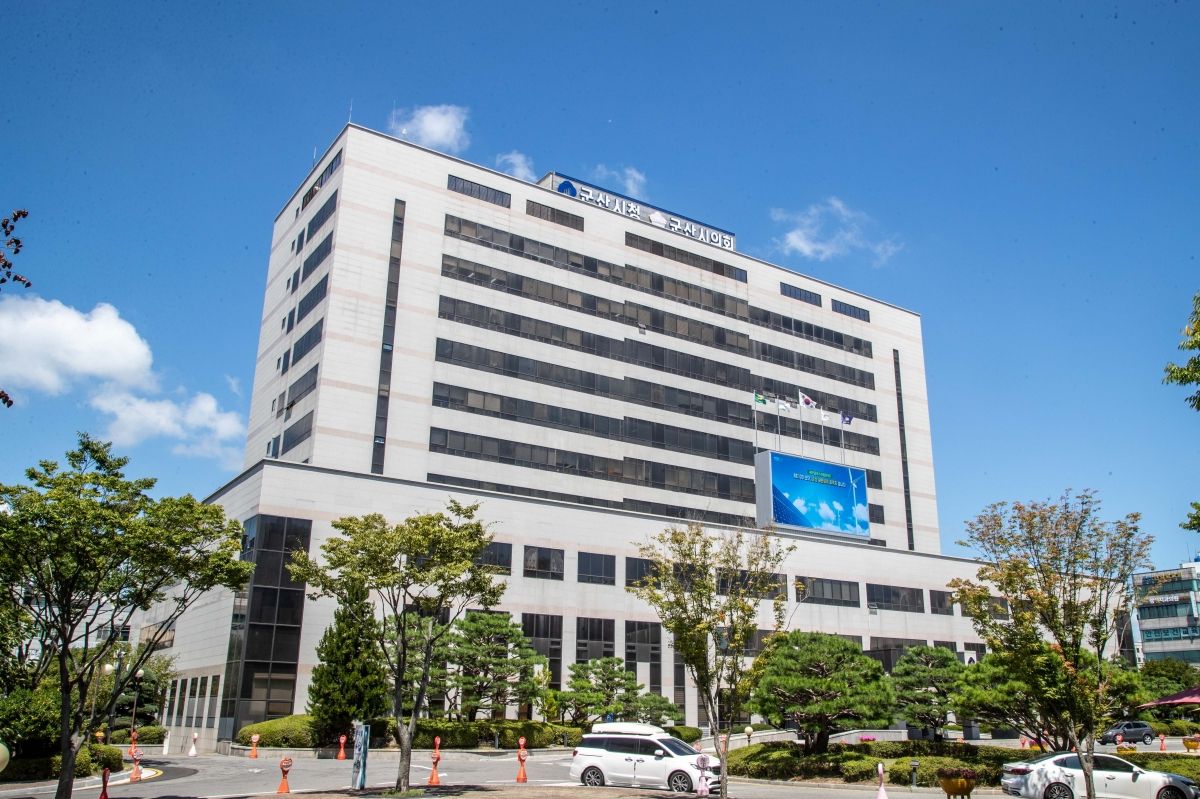
Gunsan City in North Jeolla Province is reviving its Offshore Wind Industry Support Center, an initiative aligned with the Korea Energy Agency’s broader push to professionalize Korea’s offshore wind workforce. With completion targeted for 2027, the center’s stated focus on operations and maintenance (O&M) training is strategically important: as Korea’s offshore pipeline expands from development to construction and then decades-long operation, the binding constraint is increasingly human capital, not only megawatts. O&M is where asset performance is won or lost—availability, safety compliance, and lifetime extension all depend on technicians and supervisors who understand turbine systems, marine access logistics, and Korean regulatory requirements.
For the South Korean renewable energy market, the restart signals a shift from headline project announcements toward the less visible enabling infrastructure that investors scrutinize: local capability to operate projects reliably, reduce downtime, and manage costs in challenging weather windows. A regionally anchored center can also support Korea’s industrial policy objectives by widening the local supplier base—service vessels, rope access providers, inspection services, parts logistics, and digital condition-monitoring—helping move spend from imported services to domestic firms over time. If paired with standardized certifications and close linkage to project operators, Gunsan could become an O&M cluster that improves bankability by demonstrating credible long-term service capacity and safety management maturity.
International developers and investors should read this as a practical de-risking step—but also as an early indicator of tightening expectations on local content and local operations readiness. Developers bidding into Korean projects may face stronger scrutiny on workforce plans, subcontractor development, and O&M localization pathways, especially for projects seeking public support or smoother permitting. Strategically, overseas OEMs, marine contractors, and O&M specialists have an opening to partner with the center as instructors, curriculum designers, and technology providers (training simulators, digital maintenance systems, safety programs), positioning themselves as long-term capability builders rather than short-term contractors. The 2027 timeline implies near-term engagement is critical: influencing standards and training pathways now can shape who is “qualified” when Korea’s operating fleet scales.