Korea Restarts Gunsan Offshore Wind Support Center, Aiming for 2027 Completion
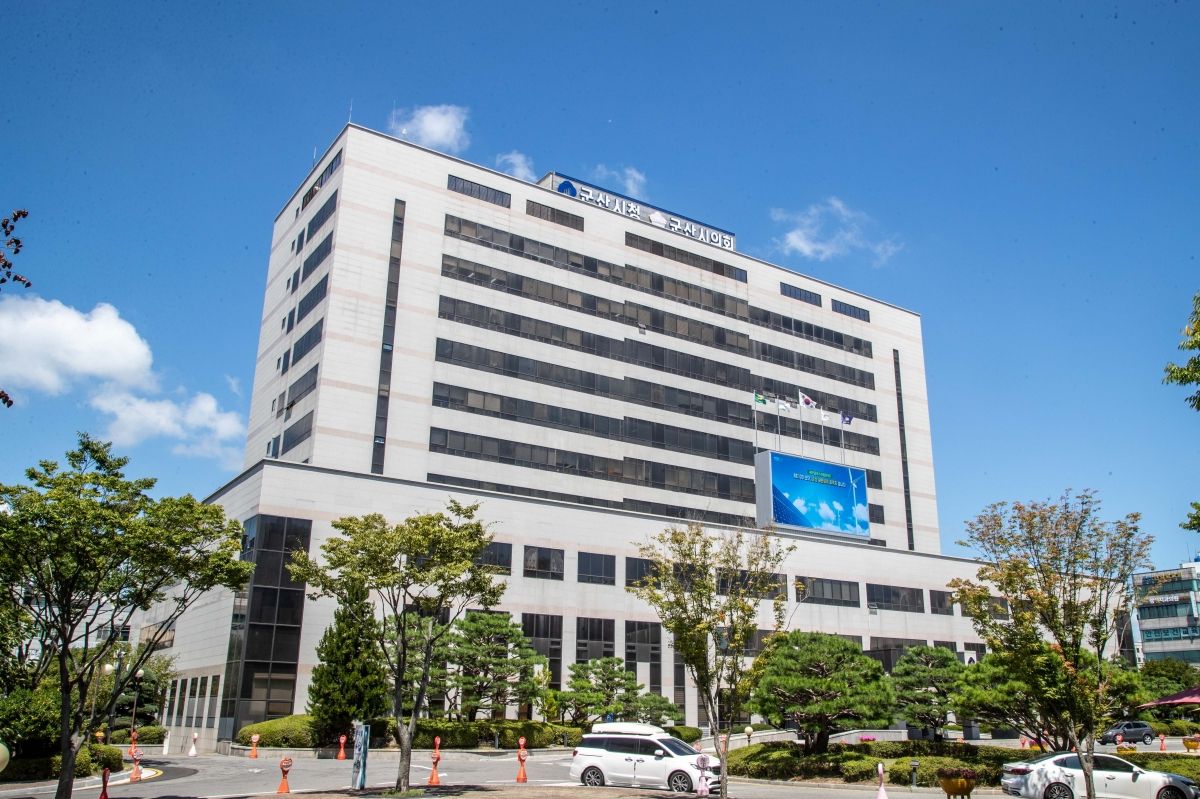
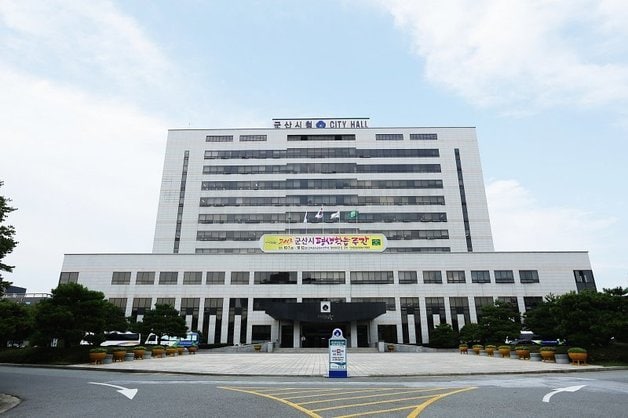
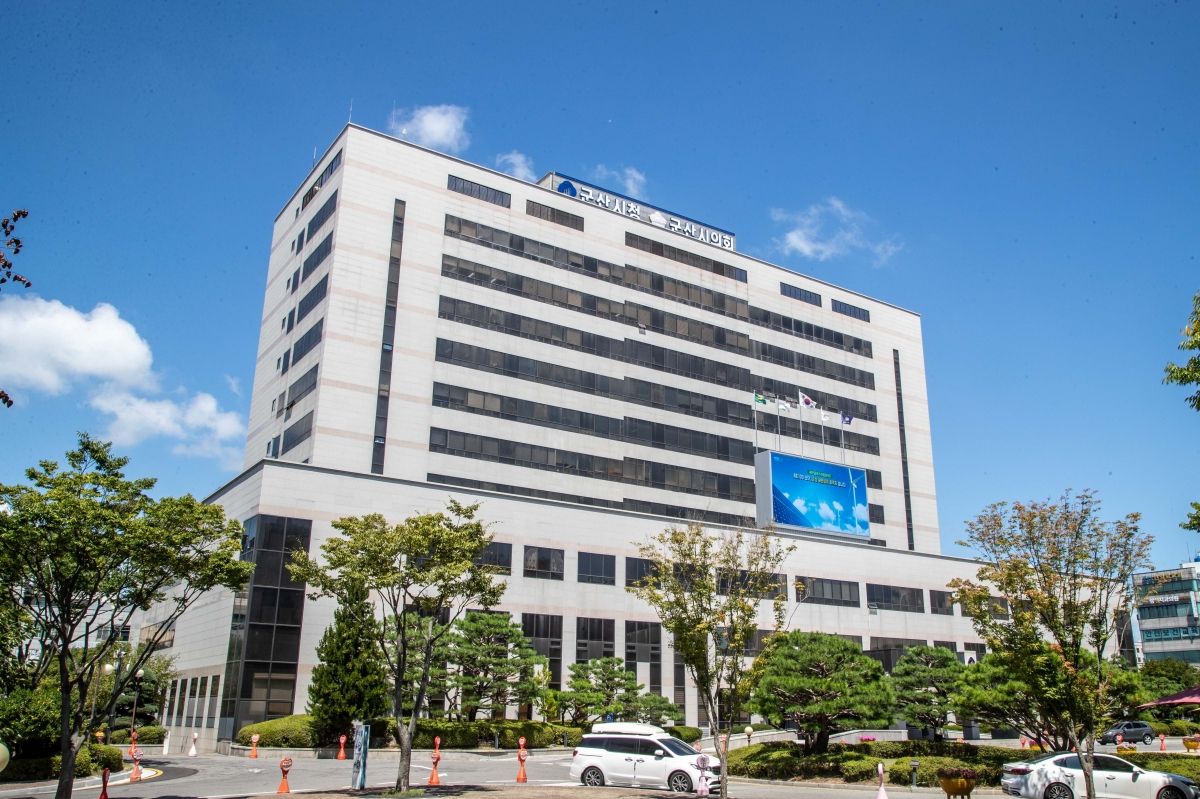
Gunsan says Korea Energy Agency has restarted work on its Offshore Wind Industry Support Center. The facility is slated for completion in 2027 to bolster regional supply chains.
Executive Insight
Gunsan City’s update that the Korea Energy Agency has resumed “normal progress” on the Offshore Wind Industry Support Center—after beginning foundation reinforcement work in January—signals renewed administrative and engineering momentum behind Korea’s offshore wind ecosystem-building efforts. While the project is not a generation asset, its role as an enabling facility matters: Korea’s offshore wind pipeline has repeatedly been constrained by permitting complexity, local acceptance, grid bottlenecks, and an underdeveloped domestic service and manufacturing base. A dedicated support center can reduce friction by coordinating testing, certification, workforce development, supplier matchmaking, and project execution know-how, all of which become more critical as project scale and turbine sizes increase.
For the South Korean renewable energy market, the 2027 completion target fits a broader pattern of shifting focus from headline capacity targets toward deliverability: industrial infrastructure, standardized processes, and local capability formation. If the center delivers tangible services—such as component qualification support, O&M readiness programs, and interface management between developers, ports, and fabricators—it could help shorten development timelines and improve bankability for upcoming projects in the Yellow Sea and southwestern coast. It also strengthens the case for Gunsan and Jeollabuk-do as a practical hub alongside established coastal industrial clusters, potentially pulling in more port upgrades, service vessel activity, and tier-2/3 supplier investment.
International investors and offshore wind developers should read the restart as a modest but constructive signal on execution risk: government-backed, place-based infrastructure is being advanced, and early-stage civil works suggest funding and governance are moving. Strategically, overseas OEMs, EPC contractors, and specialist service providers can position now by identifying which functions the center will operationalize (testing and validation, training, localization support, digital O&M, HSE), then aligning partnership and localization plans accordingly. The key diligence questions are whether the center will be empowered to coordinate across agencies and whether its services will be recognized by permitting bodies, financiers, and insurers—turning a regional facility into a national de-risking platform for Korea’s offshore wind buildout.