Korea Begins Construction of Gunsan Offshore Wind Industry Support Center
Gunsan City and the Korea Energy Agency have started foundation reinforcement for an offshore wind support center, targeting completion by August next year.
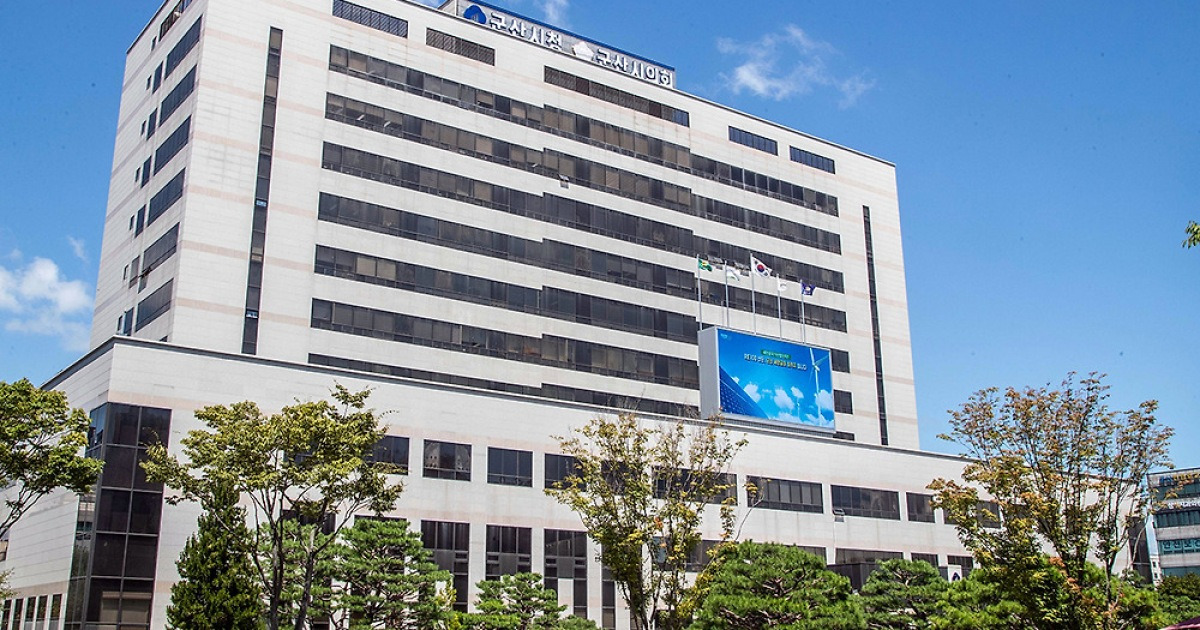
Executive Insight
Gunsan City (North Jeolla Province) and the Korea Energy Agency moving into full-scale construction of the Offshore Wind Industry Support Center is a practical signal that Korea’s offshore wind policy is translating into on-the-ground enabling infrastructure—not just project announcements. While turbine orders and seabed permits often dominate headlines, developer timelines in Korea are frequently constrained by local readiness: availability of specialized services, standardized testing and certification pathways, trained technicians, and coordination between municipal and central agencies. By beginning foundation reinforcement works and setting an August completion target next year, the project indicates a “build the ecosystem” approach aimed at reducing friction across development, construction, and operations. For the domestic renewable energy market, the center strengthens regional capacity around Gunsan as a supply-chain and support hub, complementing Korea’s broader industrial policy goals such as localization, quality assurance, and workforce development. If the facility includes functions typically associated with such centers—component validation, safety training, O&M capability building, and supplier matchmaking—it can shorten learning curves for local SMEs and improve execution reliability for large projects. That matters in Korea, where schedule risk and interface risk (ports, vessels, grid connection, environmental conditions, and stakeholder engagement) can materially affect levelized cost of energy and ultimately auction competitiveness. For international investors and offshore wind developers, this kind of institutional support is strategically relevant in three ways. First, it improves bankability by strengthening the “soft infrastructure” underpinning EPC delivery and long-term O&M performance, which lenders increasingly scrutinize. Second, it helps foreign OEMs and tier-one contractors structure partnership models with local firms, potentially reducing localization risk and smoothing procurement. Third, it suggests that regional governments are actively competing to host offshore wind value chains, which can influence site selection, logistics planning, and future concession strategies. Developers considering Korean pipelines should monitor how quickly the center becomes operational, what services it offers, and whether it is integrated into national permitting, standards, and training frameworks—because those details will determine whether it meaningfully reduces execution risk or remains primarily symbolic.