Gunsan Starts Construction on Offshore Wind Support Center, Boosting Korea Supply Chain
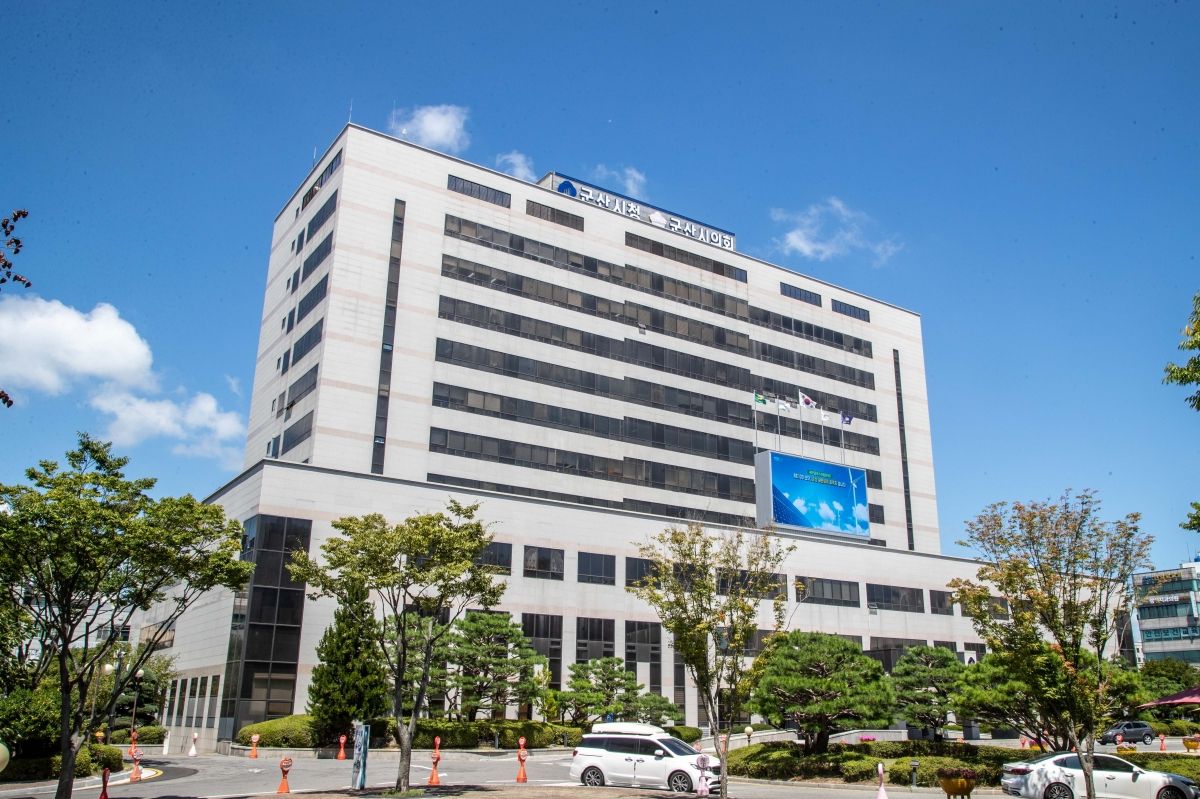
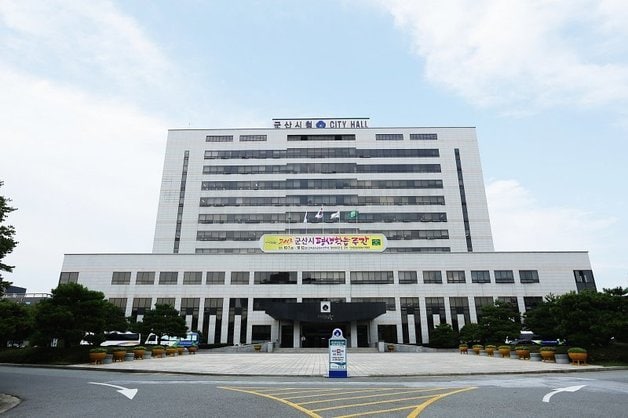
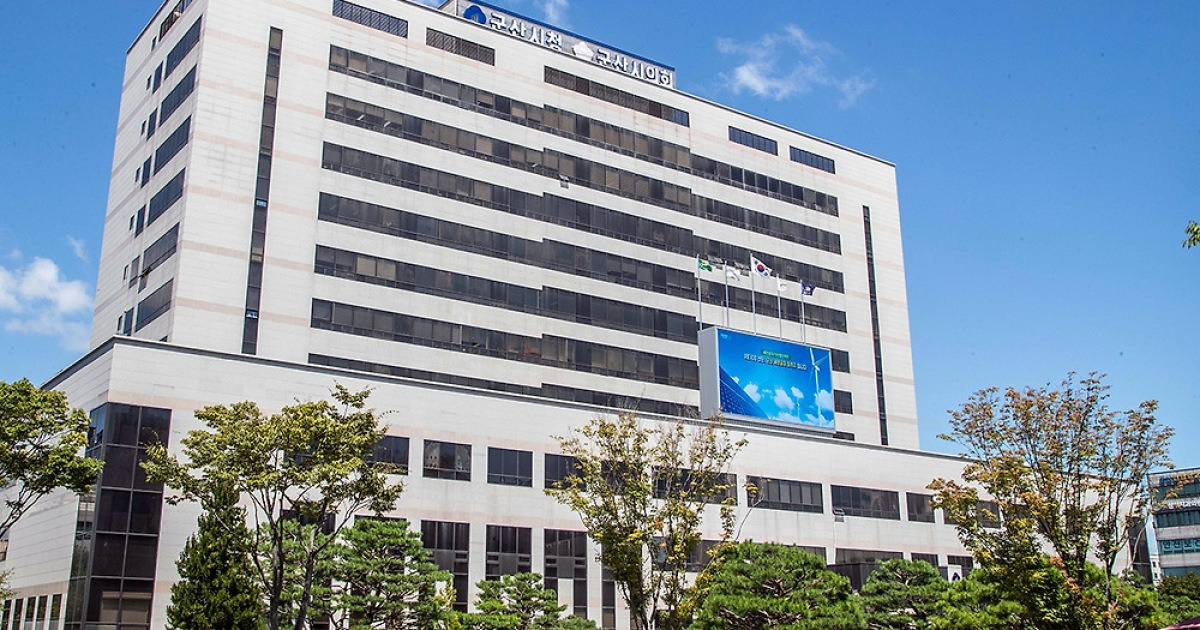
Gunsan City and the Korea Energy Agency have launched foundation reinforcement for an offshore wind support center, targeting completion by August next year.
Executive Insight
Gunsan City (North Jeolla Province) and the Korea Energy Agency moving the Offshore Wind Industry Support Center into full-scale construction is a practical signal that Korea’s offshore wind build-out is increasingly being treated as an industrial policy project, not only a power-generation agenda. Foundation reinforcement work is typically unglamorous, but it is a meaningful milestone: it indicates budget execution, schedule commitment, and site-readiness, which are critical in a market where project timelines are frequently pressured by permitting, grid constraints, and local coordination. With the center targeting completion by August next year, Gunsan is positioning itself as a regional platform for supply-chain development and project enablement rather than waiting for large projects to “pull” industry in after final investment decisions.
For South Korea’s renewable energy market, this kind of support infrastructure can help address two recurring friction points: (1) fragmentation of capabilities across ports, manufacturers, and service providers, and (2) uneven readiness among coastal regions competing to host offshore wind projects. A dedicated support center can function as an interface between developers, EPCs, OEMs, and local SMEs—potentially improving workforce readiness, standardization of processes, testing/verification coordination, and public-private information flow. Over time, that can reduce soft costs and execution risk, which ultimately matters as Korea aims to scale offshore wind in parallel with domestic industrial goals.
International investors and offshore wind developers should read this as incremental de-risking at the regional level, particularly for projects relying on Korean-localized procurement and services. While a support center does not solve macro issues like power purchase structures, grid build-out, and permitting duration, it can improve bankability at the project package level by strengthening local delivery capacity and offering a clearer “landing zone” for partnerships with Korean firms. Strategically, overseas OEMs and service companies should monitor Gunsan’s evolving role in the West Sea ecosystem (ports, O&M, manufacturing clustering) and consider early engagement—MOU-level cooperation, training programs, or pilot supply agreements—to secure local credibility and reduce localization friction as Korea’s offshore wind pipeline progresses.
Read original article from: Gunsan City and Korea Energy Agency