Gunsan Starts Building Offshore Wind Support Center, Backing Korea Supply Chain Expansion
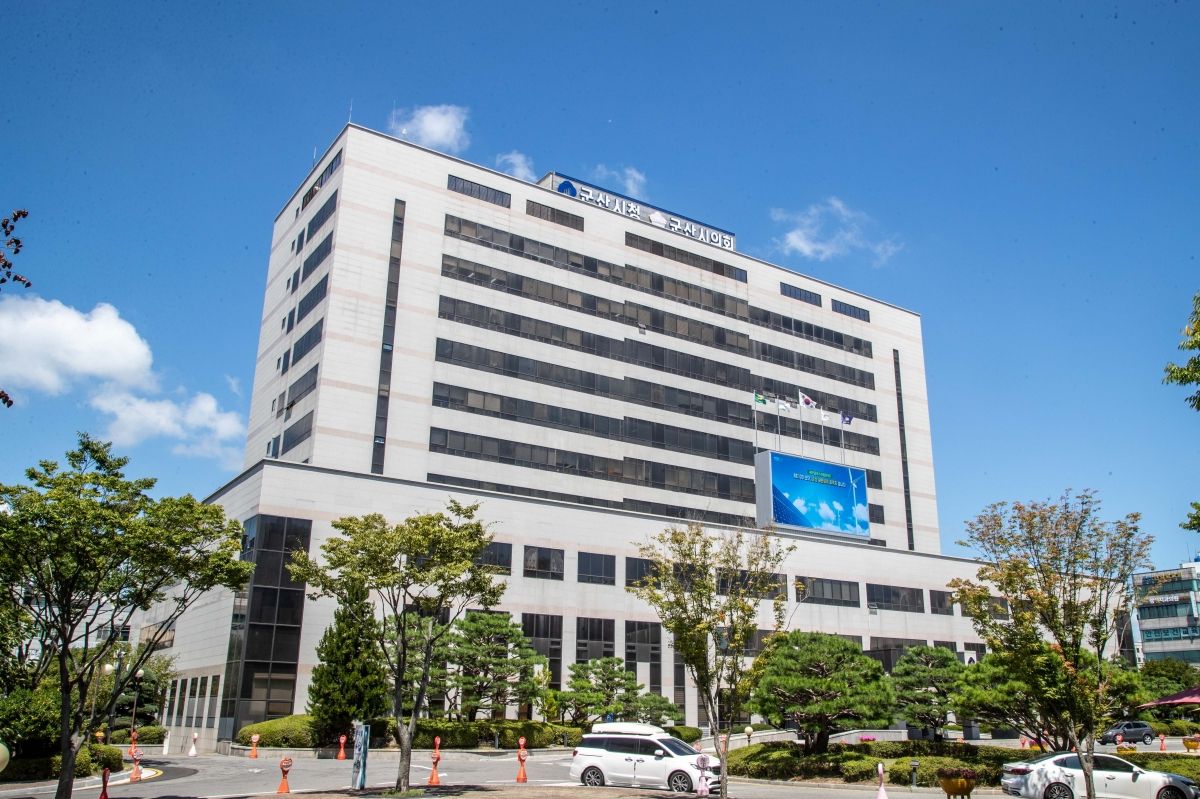
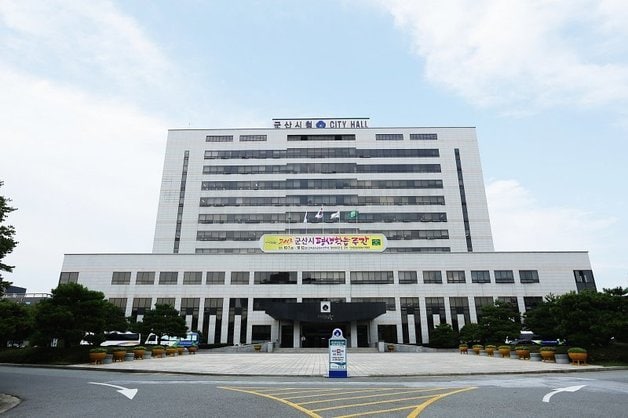
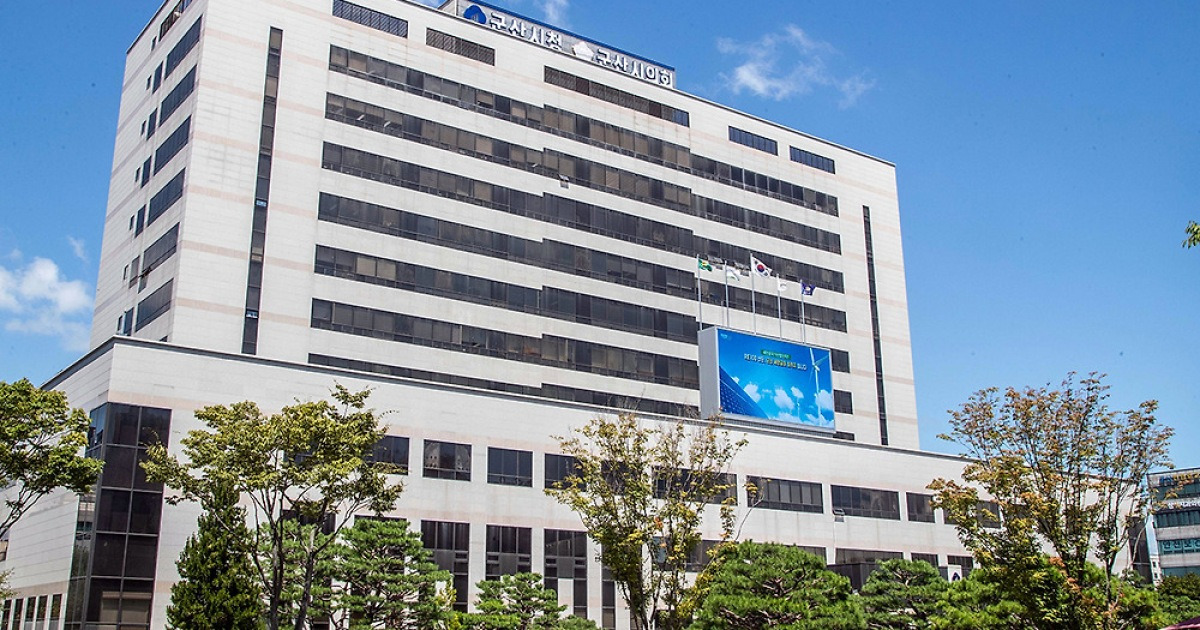
Gunsan City and the Korea Energy Agency began foundation reinforcement for an Offshore Wind Industry Support Center due by August next year.
Executive Insight
Gunsan City (North Jeolla Province) and the Korea Energy Agency moving into full-scale construction of the Offshore Wind Industry Support Center is a practical signal that Korea’s offshore wind market is shifting from policy ambition toward enabling infrastructure. While individual project headlines often focus on permits, auctions, or offtake, the less visible constraint has been delivery capability: testing, certification support, workforce development, O&M readiness, and supplier qualification. A dedicated support center—backed by a public agency—helps de-risk the development pipeline by professionalizing these functions locally, reducing bottlenecks that can delay final investment decisions and construction schedules.
For South Korea’s renewable energy market, this kind of regional build-out matters because it aligns industrial policy with deployment targets. Offshore wind is capital-intensive and schedule-sensitive; any uncertainty around component readiness, installation planning, or quality assurance increases contingency pricing and raises the cost of capital. By anchoring support infrastructure in Gunsan, the project can strengthen the domestic supply chain in the southwest corridor and improve coordination among developers, tier suppliers, ports, and service firms. If executed well, the center could become a platform for standardization—supporting consistent technical requirements, more bankable project documentation, and clearer pathways for local content participation without undermining competitiveness.
International investors and offshore wind developers should read this as incremental but investable progress: Korea is funding the “soft” and “hard” ecosystem that underwrites project delivery, which can translate into lower execution risk and improved lender confidence over time. Strategically, overseas OEMs, engineering firms, and marine contractors may find earlier entry points through partnerships tied to training, testing, digital O&M, and supplier development programs associated with such centers. The key watchpoints are scope (what services the center actually provides), governance (how it interfaces with permitting and procurement), and whether it becomes a recognized hub for technical verification and workforce scaling—factors that ultimately influence bid pricing, construction timelines, and the bankability of Korea’s next offshore wind wave.