Gunsan Revives Offshore Wind O&M Training Hub to Bolster Korea Supply Chain
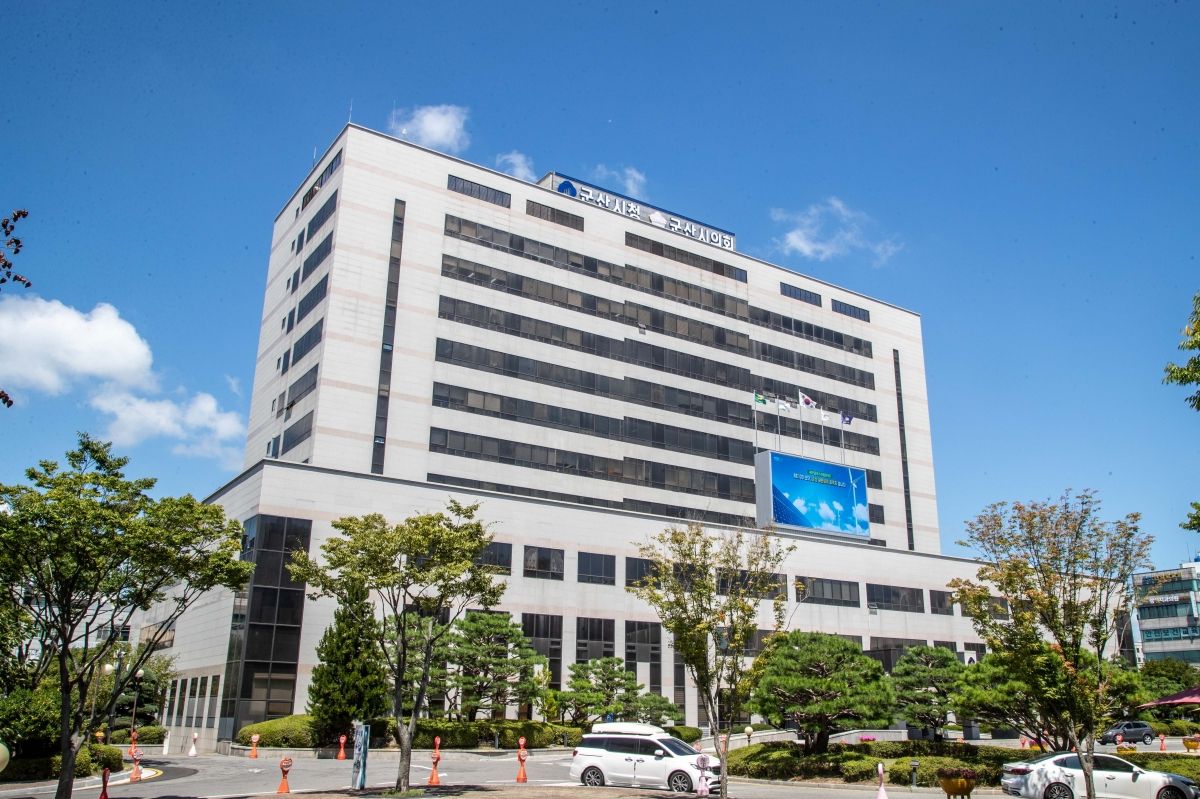
Gunsan will restart an offshore wind support center to train operations and maintenance talent by 2027. The Korea Energy Agency-backed project aims to deepen local supply chains and long-term O&M capacity.
Executive Insight
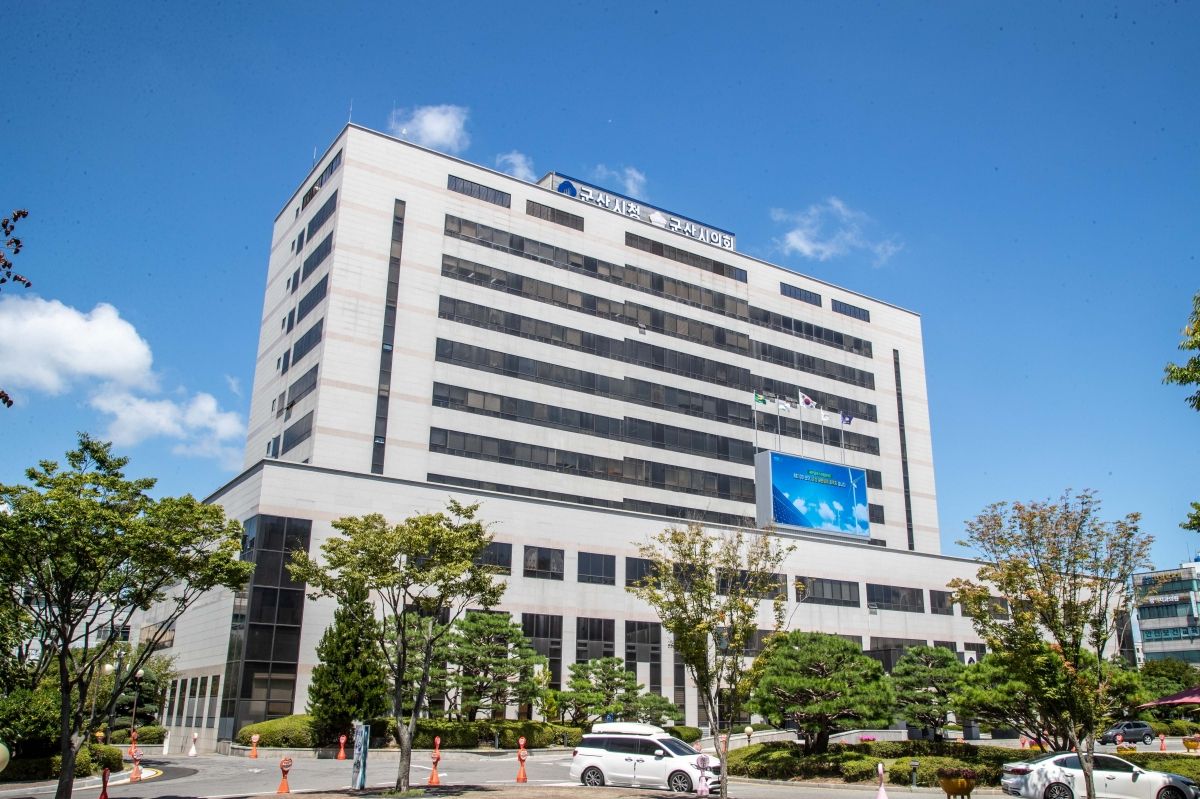
Gunsan City in North Jeolla Province is restarting its Offshore Wind Industry Support Center project, a Korea Energy Agency-backed initiative aimed at training operations and maintenance (O&M) personnel, with completion targeted for 2027. While the announcement is local in scope, it signals a practical shift in how South Korea is trying to de-risk offshore wind delivery: by building durable, region-based capabilities that support projects well beyond construction and commissioning. For a market that has faced delays and uncertainty around permitting and commercialization pathways, the emphasis on O&M readiness is a reminder that project bankability increasingly hinges on lifecycle execution, not just auction or licensing outcomes.
For international investors and offshore wind developers, the key implication is the potential strengthening of local content and operational resilience around the Gunsan region. A trained O&M workforce can reduce reliance on overseas technicians, shorten mobilization times, and improve availability once projects enter operations—factors that directly influence long-term revenue stability and debt sizing. If the center becomes a recognized training and certification pipeline, it may also support more standardized maintenance practices and safety compliance across multiple projects, helping align Korea’s operational ecosystem with global offshore wind norms. That, in turn, can make Korea a more credible destination for long-duration capital, particularly for funds focused on operating assets and infrastructure-style returns.
Strategically, the restart suggests local governments are competing to anchor the “after-build” economy of offshore wind—service ports, technicians, spare parts logistics, and maintenance contracting—where recurring value is created over decades. Developers evaluating Korean sites should track how quickly regional hubs like Gunsan can translate training capacity into real field readiness (vessel access, port operations, component warehousing, and OEM/independent service provider presence). For turbine OEMs, cable and foundation suppliers, and O&M contractors, the project may open a pathway to embed earlier in the regional supply chain, position service bases near planned clusters, and improve bid competitiveness by demonstrating localized workforce commitments.