Gunsan Revives Offshore Wind O&M Training Center to Boost Korea Supply Chain
Gunsan will restart an offshore wind support center to train O&M personnel, aiming for completion in 2027. The project targets stronger local workforce and supply-chain readiness for long-term operations.
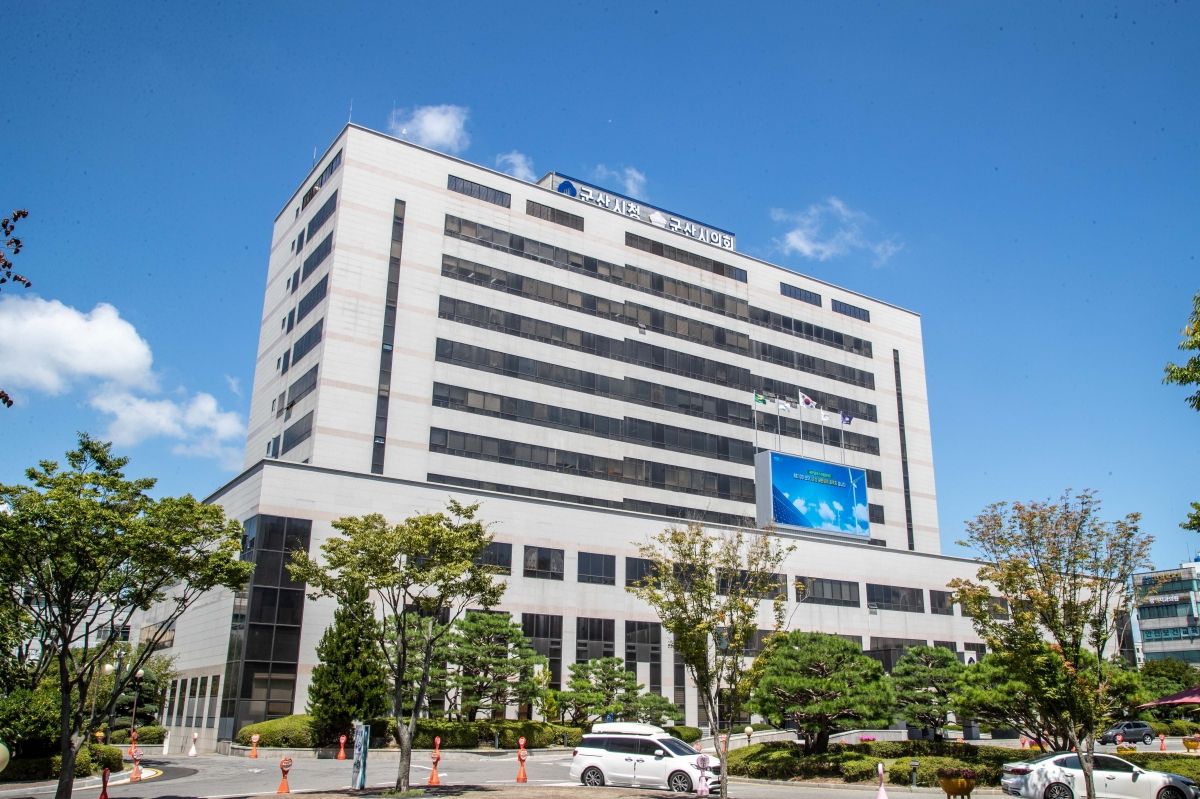
Executive Insight
Gunsan City’s decision to restart the Offshore Wind Industry Support Center—positioned as a Korea Energy Agency-backed initiative with a 2027 completion target—signals a policy pivot toward execution capacity, not just project announcements. As South Korea seeks to scale offshore wind, the bottleneck is increasingly “people and process”: qualified technicians, standardized training pipelines, safety compliance, and maintenance-ready local contractors. A dedicated facility focused on operations and maintenance (O&M) training directly addresses one of the market’s highest-risk areas, where shortages can translate into longer downtime, lower availability, and higher levelized cost of energy (LCOE) across a project’s full lifecycle.
For the Korean renewable energy market, this move supports two strategic objectives. First, it strengthens regional industrial participation around the West Sea buildout by anchoring a skilled labor base and associated service ecosystem (inspection, logistics, parts, and marine support). Second, it improves bankability: lenders and offtakers typically scrutinize long-term asset performance assumptions, including O&M strategy, workforce depth, and supply-chain resilience. A credible, locally rooted O&M capability can reduce perceived operational risk and help stabilize cost forecasts—particularly important as Korea continues to refine its procurement frameworks and grid integration plans.
International investors and offshore wind developers should read Gunsan’s restart as an invitation to structure partnerships early. Training centers can become platforms for OEM-led certification, digital O&M (condition monitoring, predictive maintenance), and standard-setting that align Korean practice with global benchmarks. Developers with operating experience in the North Sea, Taiwan, or Japan may find opportunities to localize training curricula, establish service hubs, and secure first-mover advantage in long-term service agreements. Strategically, Gunsan could evolve into a regional O&M cluster that supports multiple projects, improving utilization of specialized assets (vessels, tooling, spares) and reducing mobilization costs—an edge that can influence bid competitiveness and project schedules over the next procurement cycles.