Gunsan Offshore Wind Support Center Set for August Completion, Boosting Local Supply Chain
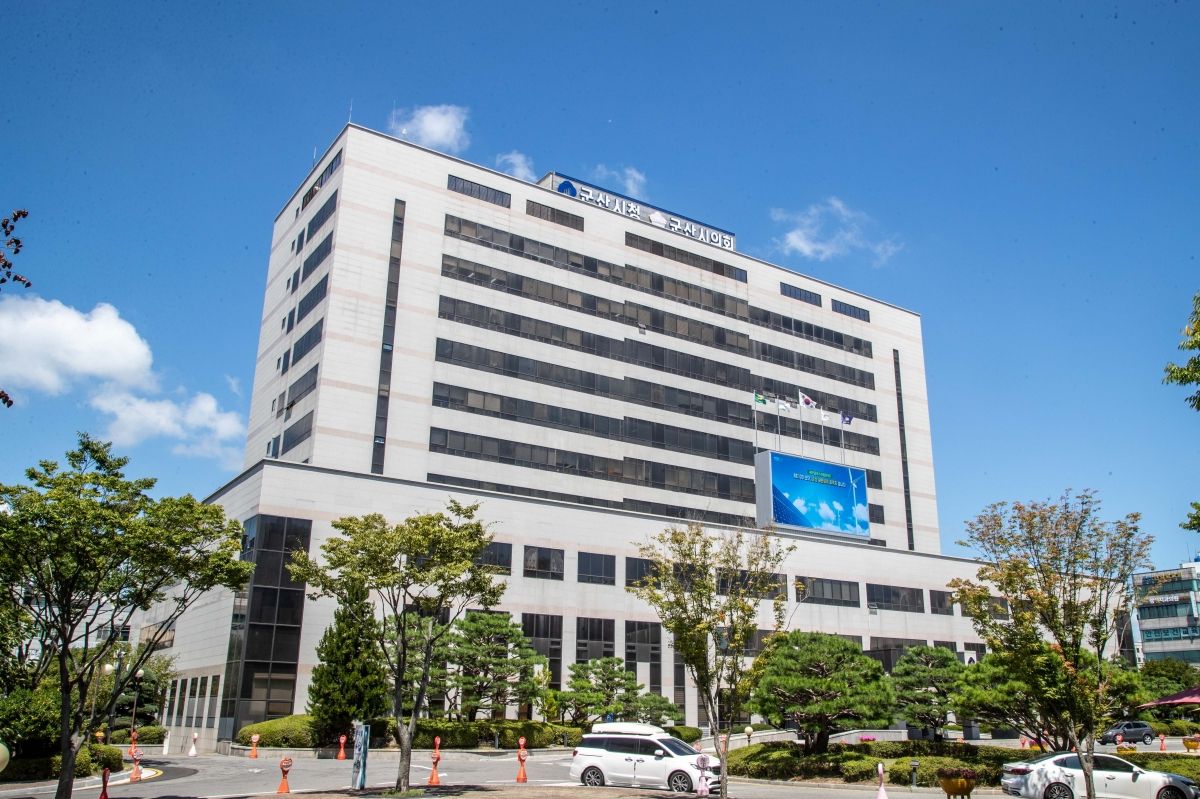
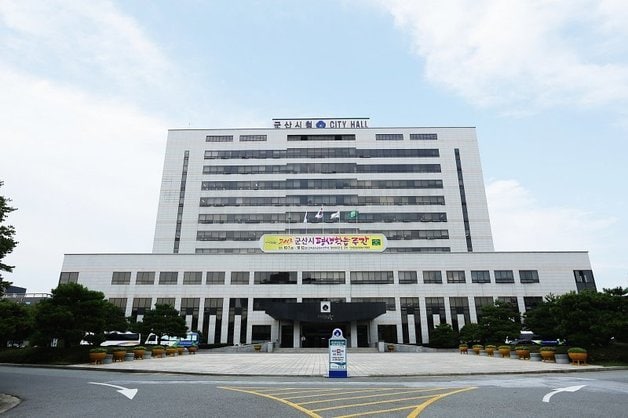
Gunsan City and the Korea Energy Agency say their offshore wind industry support center is on track, targeting completion next August. The facility aims to strengthen regional support and supply-chain capacity.
Executive Insight
Gunsan City’s confirmation—alongside the Korea Energy Agency—that its offshore wind industry support center is progressing on schedule, with completion targeted for August next year, signals a practical shift in how South Korea is trying to de-risk offshore wind execution. While national targets and auction design shape headline momentum, project delivery is increasingly constrained by local permitting complexity, grid readiness, port logistics, and the availability of qualified suppliers. A dedicated support hub in Gunsan is designed to address these “last-mile” constraints by concentrating technical services, coordination functions, and supplier enablement in a single regional platform.
For the Korean renewable energy market, the center underscores the growing role of industrial policy in offshore wind. By building local support infrastructure and supply-chain capabilities, Gunsan is positioning itself as a cluster for components, marine services, and operations & maintenance—areas where South Korea has sought to increase domestic value-add and reduce reliance on imported equipment and specialist vessels. This matters for developers because stronger regional capacity can translate into fewer schedule risks, lower interface management costs, and a more bankable construction timeline—especially as lenders scrutinize logistics plans, local content obligations, and contracting strategies.
International investors and offshore wind developers should read this as an early indicator of where Korea’s subnational competition is headed: regions will differentiate themselves by offering integrated “development acceleration” services, not just seabed leases or political support. For foreign OEMs, EPC contractors, and tier-2/tier-3 suppliers, Gunsan’s initiative can create a clearer landing zone for partnerships, localization roadmaps, workforce development, and quality assurance. Strategically, firms evaluating Korea market entry should map regional hubs (ports, fabrication yards, testing capability, and O&M bases) alongside project pipelines, and engage early with municipal and agency-led platforms that can shorten stakeholder alignment cycles. As Korea’s offshore wind buildout scales, developers that secure robust regional supply-chain ecosystems—starting with hubs like Gunsan—will be better positioned to control cost inflation and deliver on schedule.
Read original article from: Gunsan City and the Korea Energy Agency