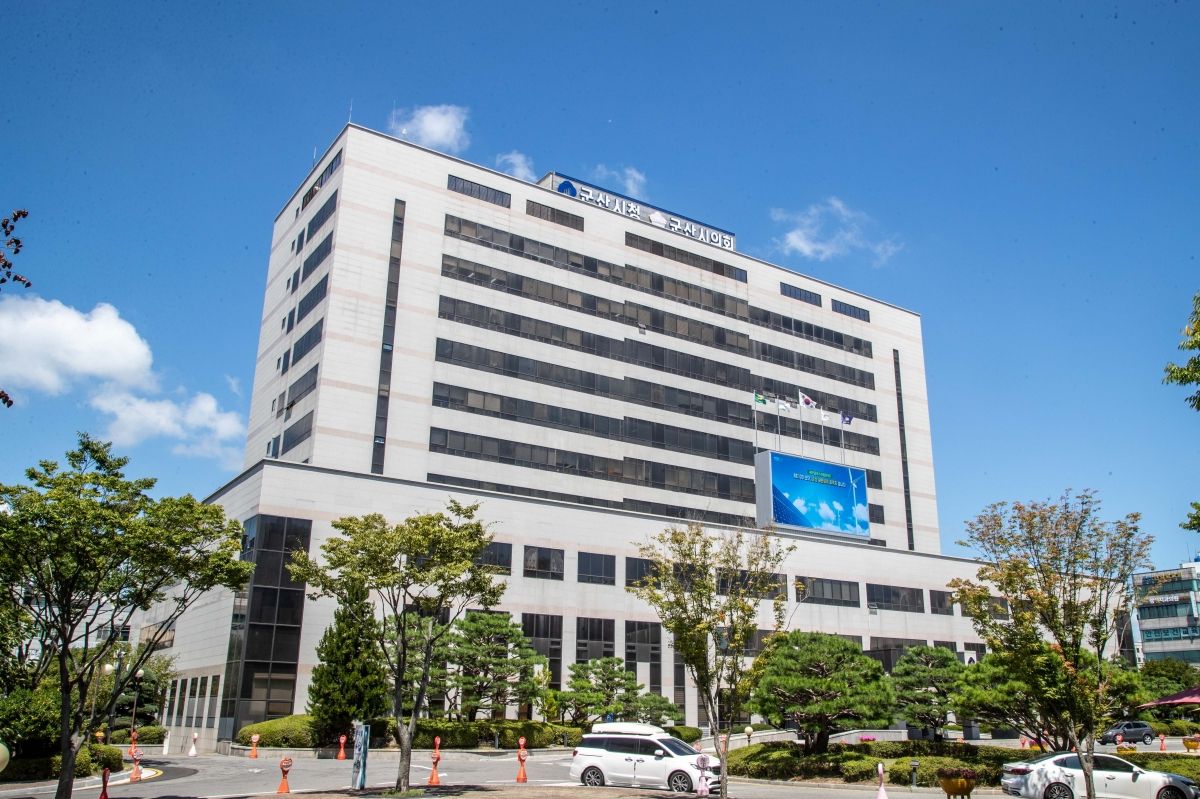
Gunsan Offshore Wind Support Center Back on Track, Completion Set for 2027
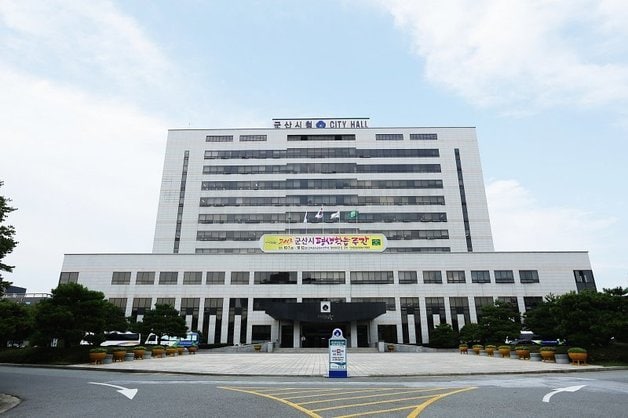
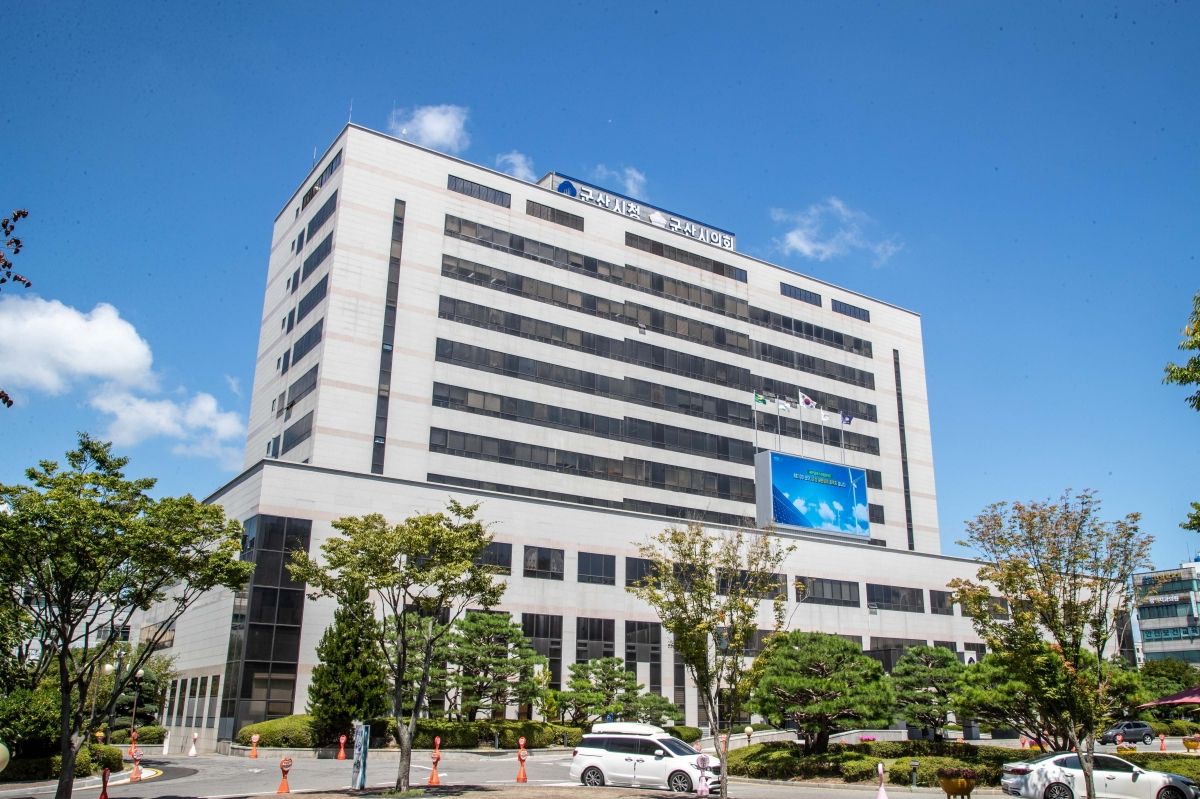
Gunsan says the Korea Energy Agency has restarted full work on its Offshore Wind Industry Support Center, with foundation reinforcement under way. The facility is due in 2027.
Executive Insight
Gunsan City’s announcement that the Korea Energy Agency has returned the Offshore Wind Industry Support Center to “normal progress”—with foundation reinforcement works already under way since January—signals a meaningful de-risking step for a region positioning itself as a practical hub for Korea’s offshore wind buildout. While the update is infrastructure-specific, it matters because Korea’s offshore wind pipeline has repeatedly been challenged by non-turbine bottlenecks: permitting pace, grid readiness, port and installation capacity, and the absence of centralized testing, certification, and industry support functions close to project sites. A dedicated support center, if delivered on schedule by 2027, can help reduce friction across early-stage development and pre-construction readiness, particularly for local SMEs seeking to qualify for offshore wind supply-chain roles.
For international investors and offshore wind developers, the key implication is less about immediate capacity and more about governance and execution credibility. Restarting “normal” construction progress suggests the implementing agency and local government are actively clearing project-management obstacles—an encouraging signal in a market where timelines and administrative complexity are central investment risks. Developers evaluating Korean offtake structures, local content expectations, and contracting strategies will watch whether Gunsan can convert this facility into a functional ecosystem: technical support services, workforce development, supplier qualification, and coordination with ports and logistics. If the center becomes a convening platform for standards, training, and vendor readiness, it could tighten the feedback loop between developers, EPCs, and domestic manufacturers, potentially improving bid quality and schedule certainty for upcoming projects.
Strategically, the 2027 completion target aligns with the period when multiple Korean offshore wind projects aim to transition from development to construction. That timing makes the facility’s delivery performance itself a market indicator: on-time completion would reinforce confidence that Korea’s industrial policy is translating into bankable infrastructure, while delays could reinforce concerns around delivery risk and local readiness. For overseas suppliers, the message is to engage early—mapping qualification pathways, partnering with local firms, and tracking Gunsan’s role in regional cluster planning—so that supply-chain participation is established before the next wave of procurement accelerates.