Gunsan, Korea Energy Agency Start Building Offshore Wind Industry Support Center
Gunsan City and the Korea Energy Agency have launched foundation reinforcement for an offshore wind support center, targeting completion by August next year.
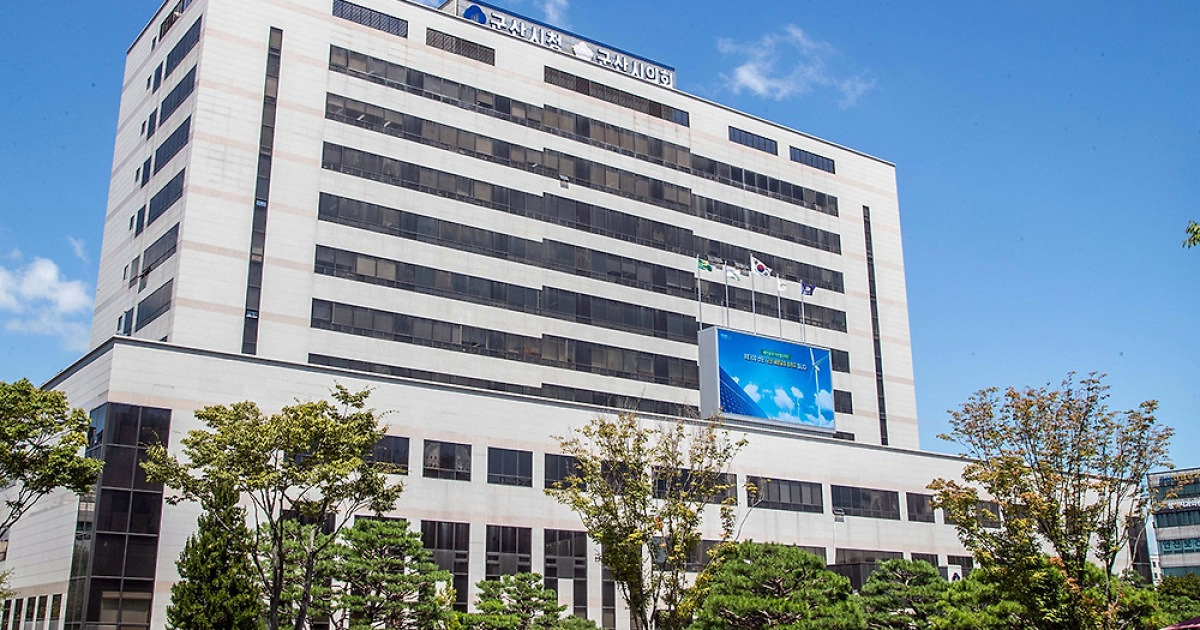
Executive Insight
Gunsan City (North Jeolla Province) and the Korea Energy Agency have moved the Offshore Wind Industry Support Center into full-scale construction by starting foundation reinforcement works, with completion targeted for August next year. While this is a single facility milestone, it is strategically meaningful in Korea’s offshore wind market because it signals continued public-sector commitment to regional “enabling infrastructure” that supports project execution, certification pathways, and supply-chain readiness—areas that have increasingly become as decisive as auction prices or headline capacity targets.
For the South Korean renewable energy market, the project reinforces the trend toward clustering offshore wind capabilities outside the Seoul capital region, creating regional bases where developers, component manufacturers, logistics providers, and service firms can co-locate. In practical terms, such centers can shorten lead times and reduce coordination friction during development and construction phases—especially for activities like workforce training, safety and O&M preparation, component testing support, and standardization of documentation and procedures across multiple projects. If designed well, the center can also help local SMEs meet the quality and compliance expectations of global OEMs, which is a necessary step for building a bankable domestic supply chain.
For international investors and offshore wind developers, the start of construction is a modest but positive signal on “execution governance.” Korea’s offshore wind pipeline has faced investor scrutiny over permitting complexity, grid connection timelines, and local acceptance dynamics. Regional support infrastructure does not solve those issues alone, but it can improve project de-risking at the margin by professionalizing local capacity, enabling repeatable delivery models, and supporting the maturation of tier-2 and tier-3 suppliers. Developers assessing Korea as a multi-project market (rather than a one-off entry) should view such investments as an indicator that provincial governments and national agencies are competing to host industrial ecosystems—potentially influencing port strategy, local content pathways, and long-term O&M bases.