Gunsan Advances Offshore Wind Support Center to Boost Korea’s Local Supply Chain
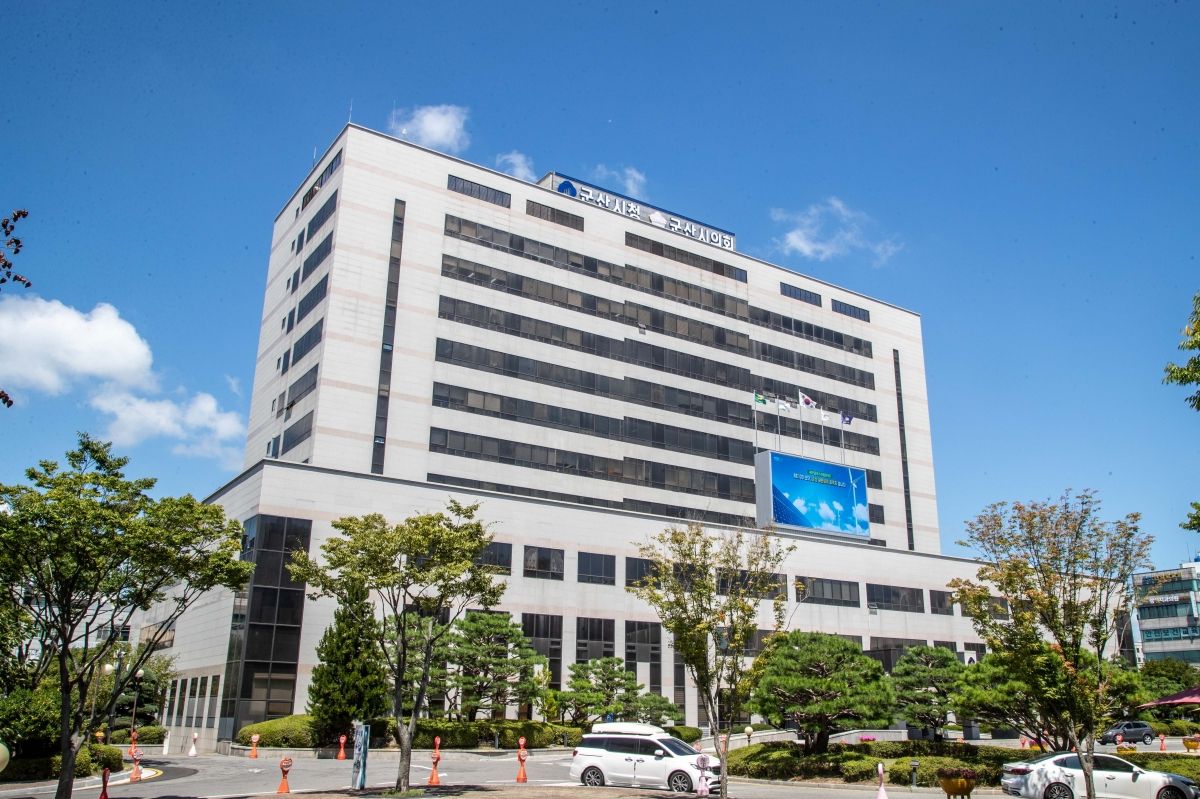
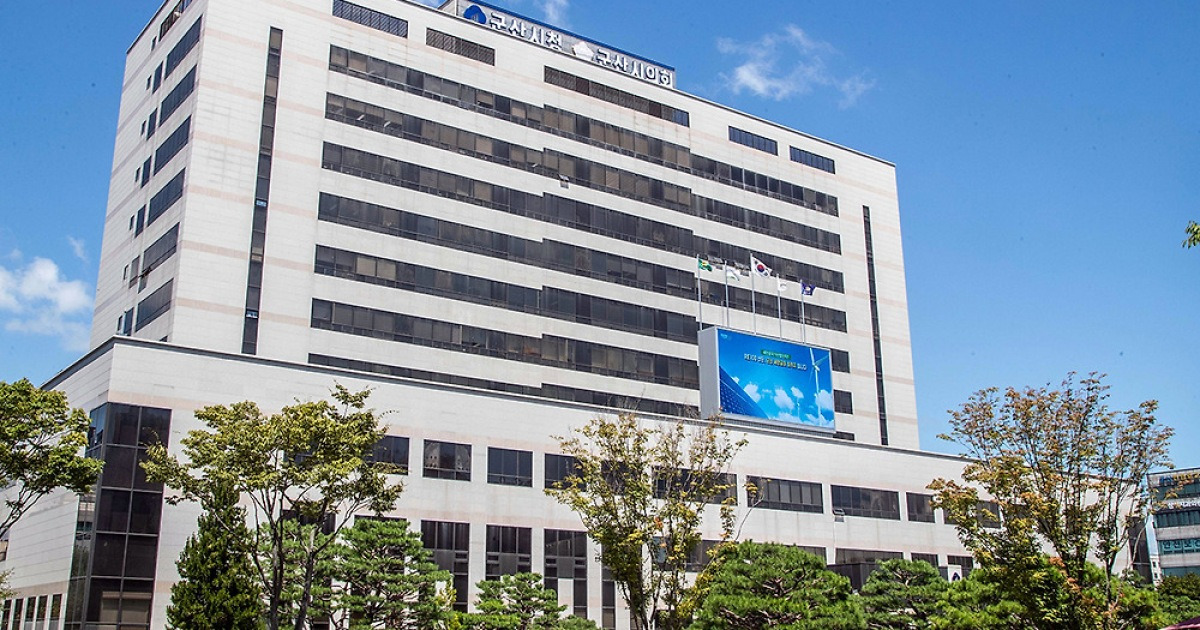
Gunsan says its offshore wind industry support center remains on track for completion by August next year. The facility aims to strengthen local permitting, technical support and supply-chain capacity.
Executive Insight
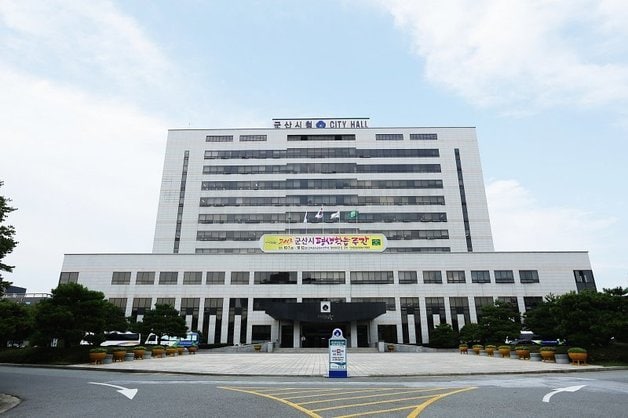
Gunsan City’s confirmation—together with the Korea Energy Agency—that an “offshore wind industry support center” is progressing on schedule, with completion targeted for August next year, is a small project update with outsized market signaling. Korea’s offshore wind pipeline has long faced friction points outside of turbine supply: fragmented local engagement, uneven port-and-logistics readiness, and a lack of standardized technical and compliance support for developers and subcontractors. A dedicated support center in Gunsan suggests a more institutional approach to de-risking early-stage development and strengthening the “soft infrastructure” that converts lease areas and plans into bankable projects.
For the South Korean renewable energy market, the center reinforces the trend of coastal municipalities competing to become offshore wind hubs by bundling permitting facilitation, workforce development, testing/verification support, and supplier coordination into a single platform. If executed credibly, such centers can reduce schedule uncertainty—one of the key drivers of capital cost escalation—by improving interface management among developers, local stakeholders, and the regional supply base. Gunsan’s positioning is also notable given Jeollabuk-do’s industrial footprint and proximity to port assets, which can support staging, O&M, and component logistics, all critical to meeting Korea’s localization and economic-development expectations.
International investors and offshore wind developers should read this as another indicator that Korea’s build-out will increasingly be “regionally anchored.” That has practical implications for market entry strategy: partnerships with local EPCs, marine contractors, and port operators may become as important as bid competitiveness. Developers evaluating site acquisition or project participation should track whether the center provides tangible services (e.g., supplier qualification programs, grid/permitting advisory, metocean and geotechnical data coordination, safety standards alignment) versus being primarily a promotional facility. If it becomes operationally effective, Gunsan could emerge as a preferred base for supply-chain scaling and O&M—potentially influencing cost assumptions, construction sequencing, and ultimately the bankability of projects in and around the region.