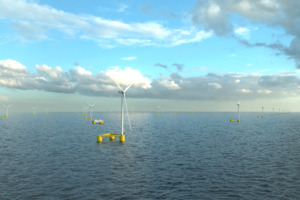
What This Story Is About Equinor's Firefly floating offshore wind project in South Korea has received a significant boost with the reduction of its bid restriction period from five years to two years. This regulatory adjustment is expected to streamline the project's development timeline, allowing for earlier participation in subsequent bidding processes and accelerating the path towards final investment decisions and construction. The move signals a governmental intent to expedite the progress of key offshore wind initiatives, particularly those involving innovative floating technology. Read original article from: electimes.com Background and Context Equinor, a global energy company headquartered in Norway, has been a pioneer in floating offshore wind technology and is a significant player in South Korea's emerging market. The company has been actively developing the Firefly project, a large-scale floating wind farm proposed off the coast of Ulsan, with an estimated capacity of around 750 MW. This project is crucial for demonstrating the commercial viability of floating wind in deep Korean waters. The "bid restriction period" typically refers to a timeframe during which a project, after failing to secure a power purchase agreement (PPA) or other necessary permits in a competitive auction, is prevented from re-entering similar bidding processes. These restrictions are often imposed to prevent speculative bids and ensure projects are mature before competing for grid connection or offtake. The initial five-year restriction likely aimed to ensure robust project planning and prevent repeated, premature bids. However, for complex, capital-intensive floating wind projects like Firefly, such extended restrictions can significantly delay progress and increase financial risk for developers. The decision to shorten this period reflects a recognition by Korean authorities, likely MOTIE or relevant regulatory bodies, of the unique challenges and longer development cycles associated with floating wind, aiming to foster rather than hinder its advancement. This adjustment aligns with the government's broader strategy to attract foreign investment and technology into its renewable energy sector. Insight and Outlook This reduction in bid restriction for the Firefly project carries significant implications for international developers and investors eyeing Korea's floating offshore wind market. It suggests a more pragmatic and adaptive regulatory environment, willing to adjust policies to facilitate project progression, especially for complex, cutting-edge technologies. This could lead to increased confidence among foreign investors, as it potentially lowers the regulatory risk and shortens the non-revenue generating development phase. However, key challenges remain. While the bid restriction period is shortened, securing grid connection remains a critical hurdle, often facing delays due to infrastructure limitations and complex approval processes. Furthermore, the finalization of a viable PPA structure that ensures bankability for floating wind projects, which typically have higher LCOE (Levelized Cost of Energy) than fixed-bottom, is still paramount. Investors should monitor the progress of specific grid allocation policies and the evolution of the PPA framework, particularly for projects utilizing innovative technologies. This regulatory shift reveals a systemic challenge in balancing strict development guidelines with the need for flexibility to support nascent but strategically important technologies like floating offshore wind. For this policy adjustment to deliver results, it must be coupled with clear, expedited pathways for grid access and robust, long-term offtake agreements.
| Project Name | Developer(s) | Location | Total Capacity (MW) | Water Depth | Distance from Shore | Foundation Type | Turbine Model | Number of Turbines | Grid Connection Point | PPA / Offtake | Environmental Permit Status | Construction Start (planned) | COD (planned) |
|---|---|---|---|---|---|---|---|---|---|---|---|---|---|
| Firefly Floating Offshore Wind | Equinor | Off Ulsan | ~750 | Deep water | ~70km | Floating | N/A | N/A | N/A | N/A | Under development | N/A | N/A |
Equinor is a Norwegian state-owned multinational energy company with a strong focus on offshore wind development, particularly floating technology. In Korea, Equinor is a leading international developer actively pursuing large-scale floating offshore wind projects, aiming to leverage its global expertise in the nascent but promising Korean market.
| Project Name | Capacity (MW) | Location | Role | Status |
|---|---|---|---|---|
| Firefly Floating Offshore Wind | ~750 | Off Ulsan | Developer | Bid restriction period reduced |
| Donghae 1 Floating Offshore Wind | 200 | Off Ulsan | Developer (JV with KEPCO E&C and Korea National Oil Corporation) | Feasibility studies, aiming for demonstration |
| Bada Energy Floating Offshore Wind | ~800 | Off Ulsan | Developer (JV with KOWEPO and Korea East-West Power) | Early development |
Related news links: Equinor, Korea National Oil Corporation, KEPCO E&C Sign MOU for Donghae 1 Floating Wind Project — Offshore Wind Search: Equinor offshore wind Korea — Google This brief is prepared for informational purposes only. It is based on publicly available sources and AI-assisted analysis. It does not constitute investment advice. Readers should conduct their own due diligence before making any decisions.